Old Meets New: An Apartment in a Former Candy Factory
In the 1880s, the building housed a candy factory, and at one point it was also home to the American playwright Edward Albee. Today, it contains a layered, contemporary interior that combines the monumental scale of the space with a sense of domestic warmth. The project was designed by Muqaddas Akkari Studio (MA Studio).
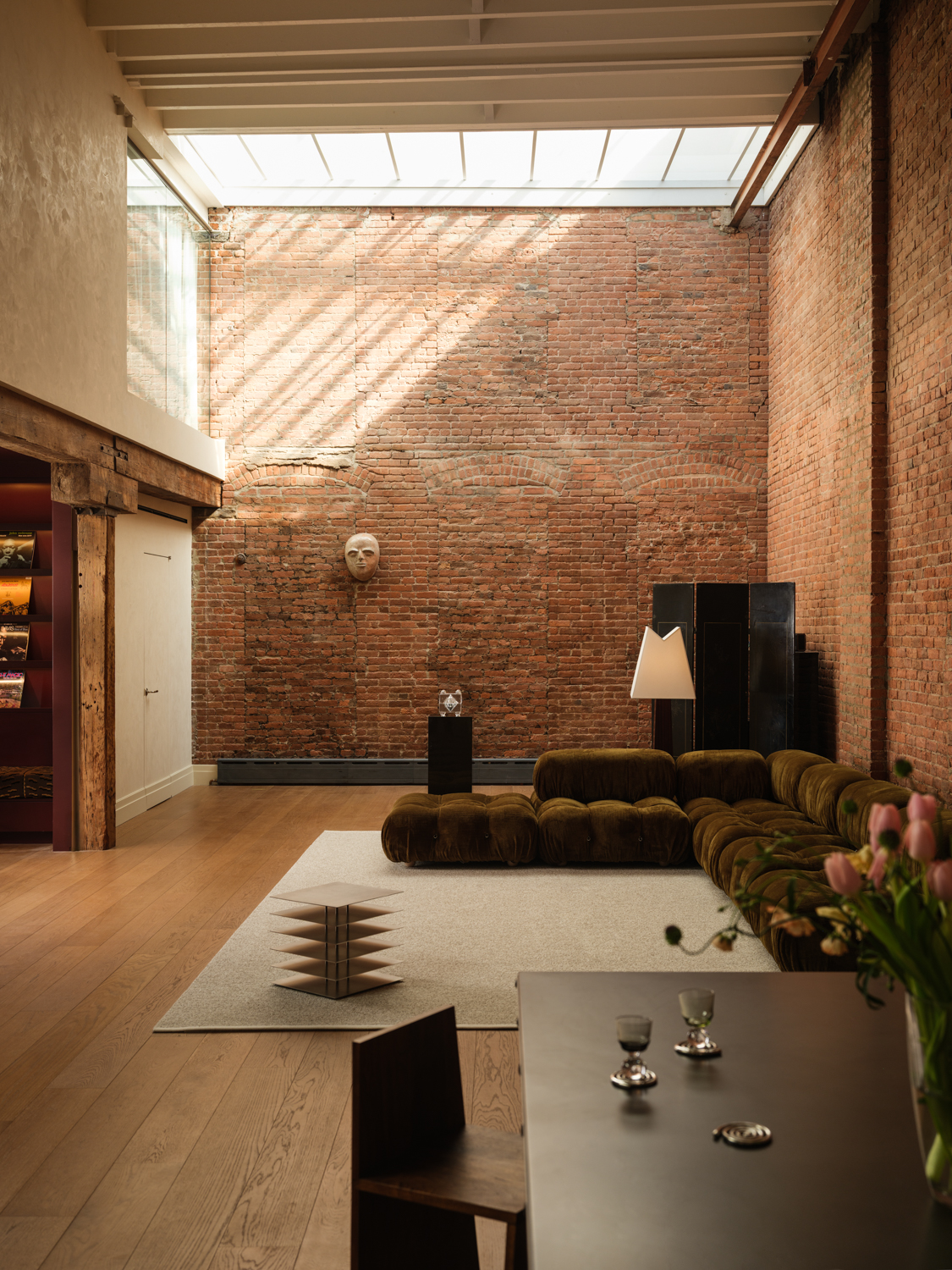
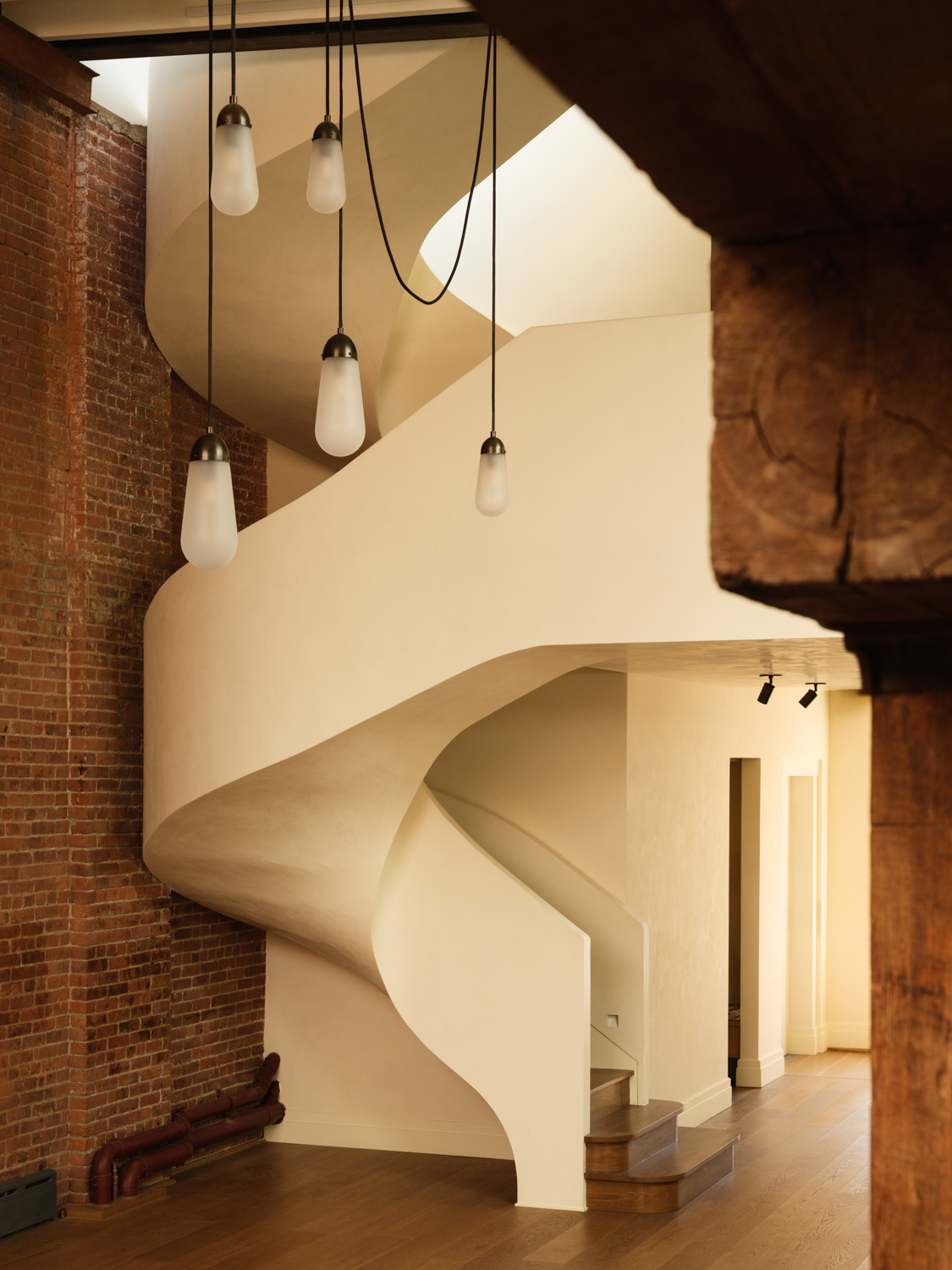
The apartment is one of five residences located in this intimate, six-storey building in Tribeca, New York. Over the course of two years, the designers at MA Studio reinterpreted the space while preserving and highlighting its historical layers: soaring ceilings, original wooden beams, and a large skylight that emphasizes the impressive scale of the interior. In response to this monumentality, the industrial elements were deliberately softened through texture, rhythm, and warm materials.
One of the project’s key concepts was functional duality: the home was intended to serve both as a private retreat and as a welcoming space for entertaining. This idea directly informed the layout.
The kitchen and living area are bright and open, forming the heart of the home and a backdrop for everyday life. These light-filled spaces transition naturally into more atmospheric interiors designed for evening use. The secondary rooms feature a deeper color palette and richer textures. Throughout, the design balances old and new, raw and refined, light and dark.
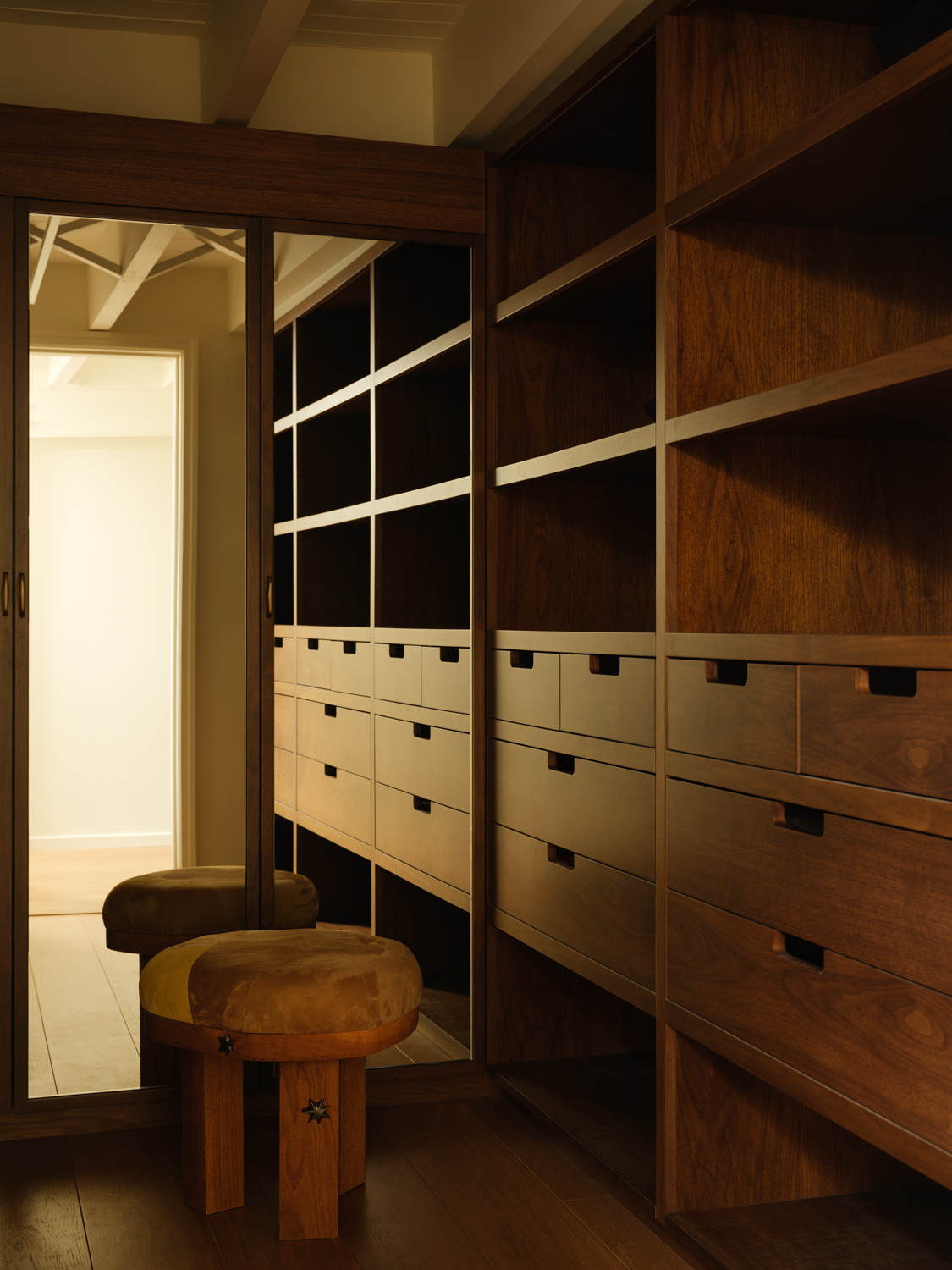
The project was realized through close collaboration with local craftspeople and makers, who brought depth and craftsmanship to every surface. Every detail was designed to be both functional and poetic. The interiors were further enriched through collaboration with Love House, a New York–based contemporary design gallery. Their sculptural furniture lends the rooms a sense of scale and expressive clarity.
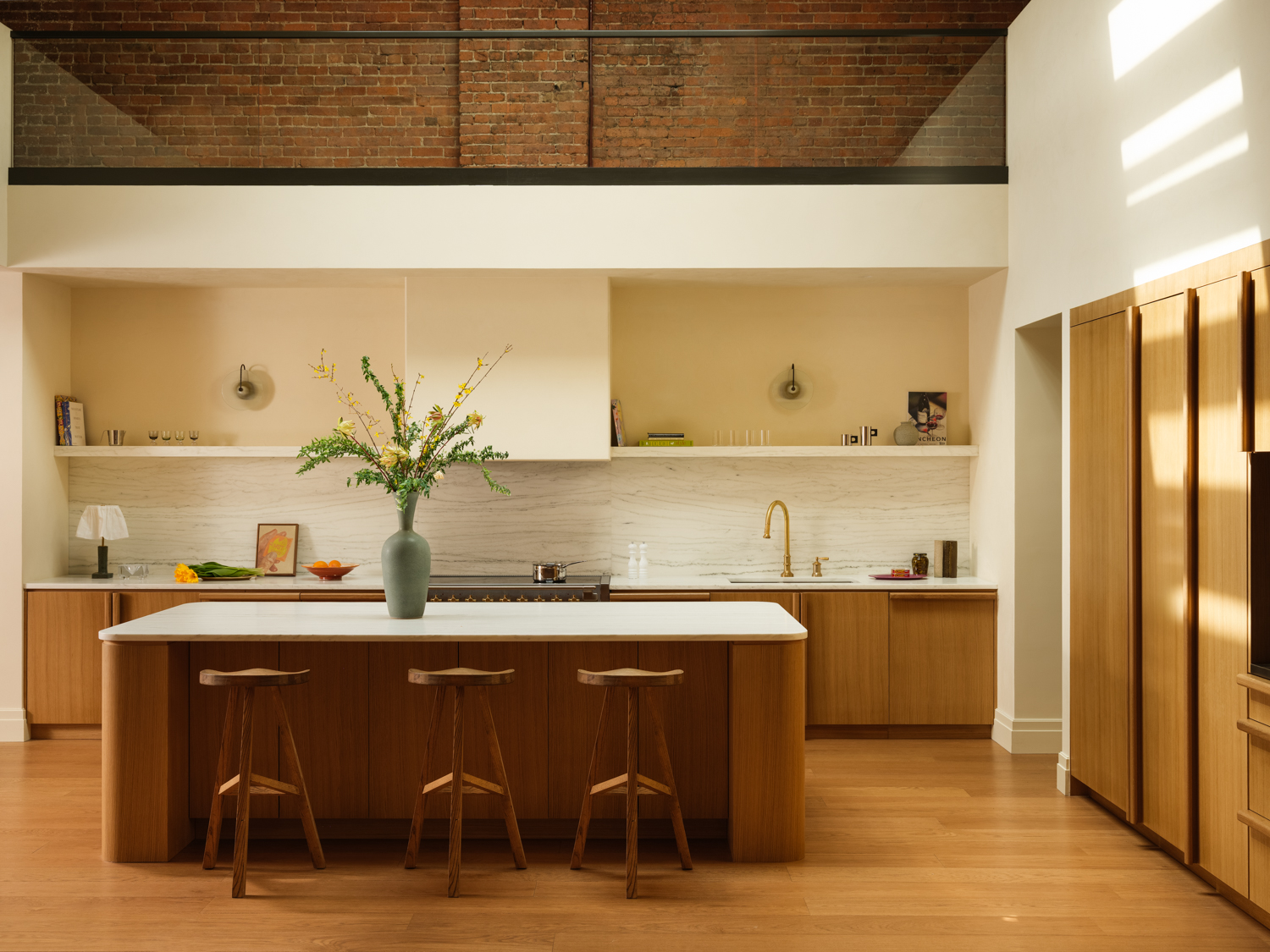
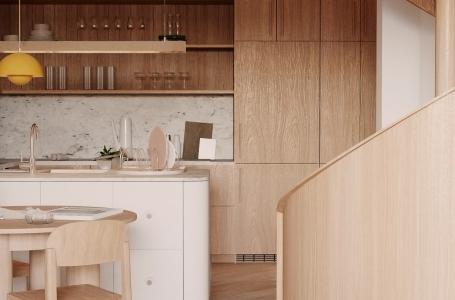
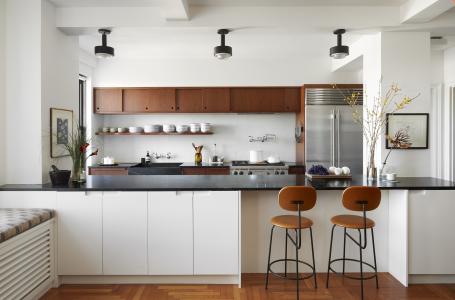
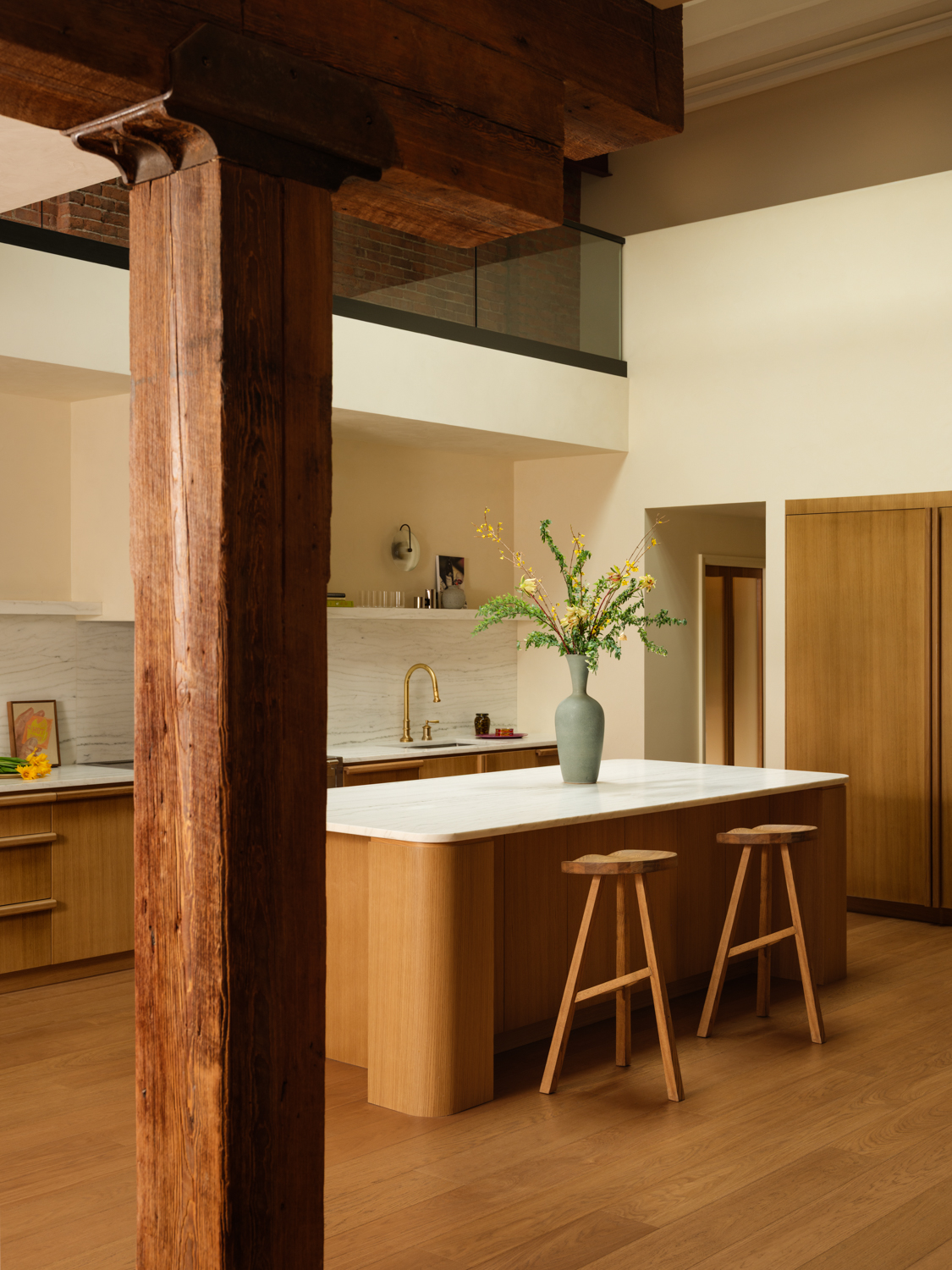
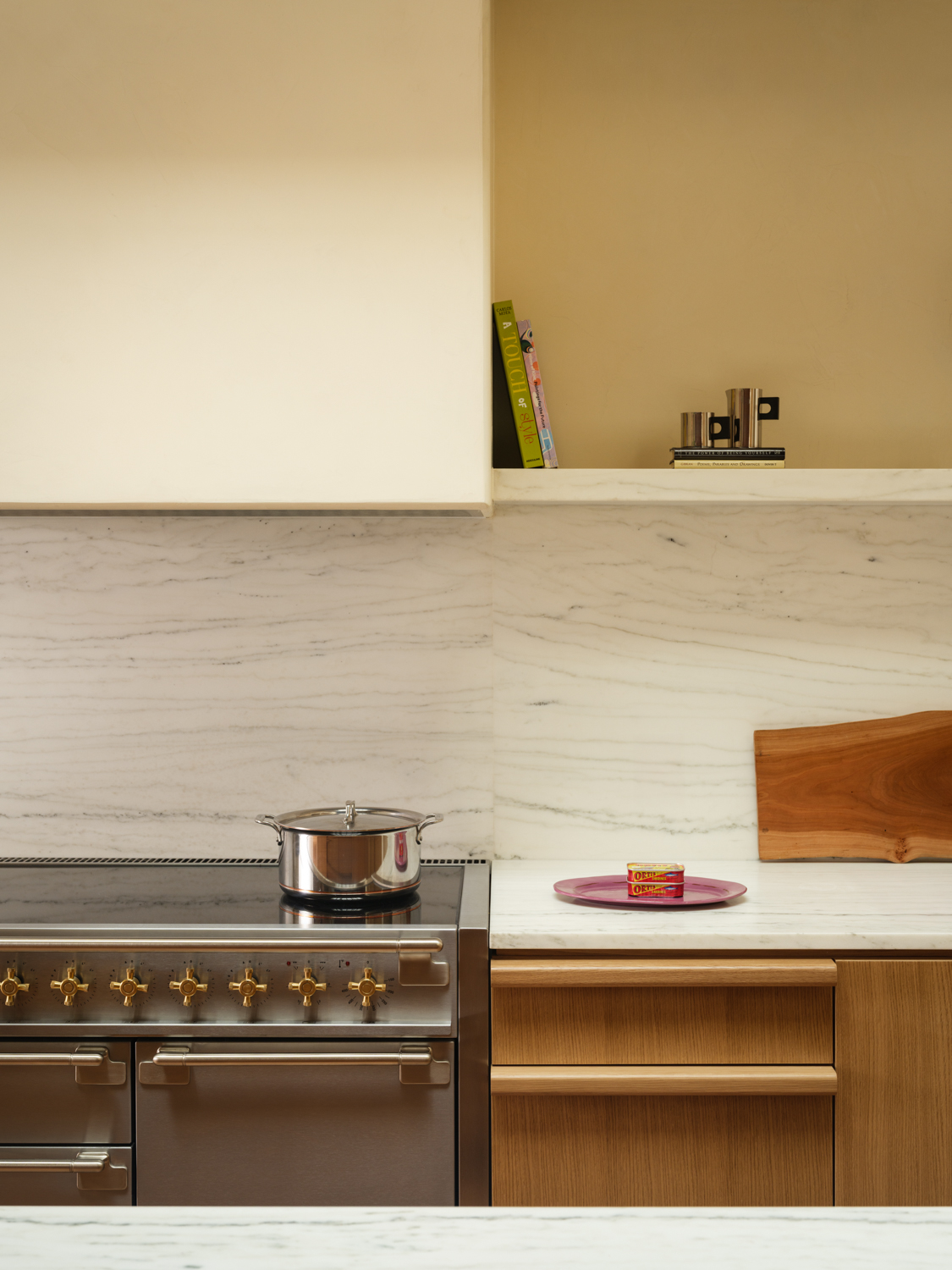
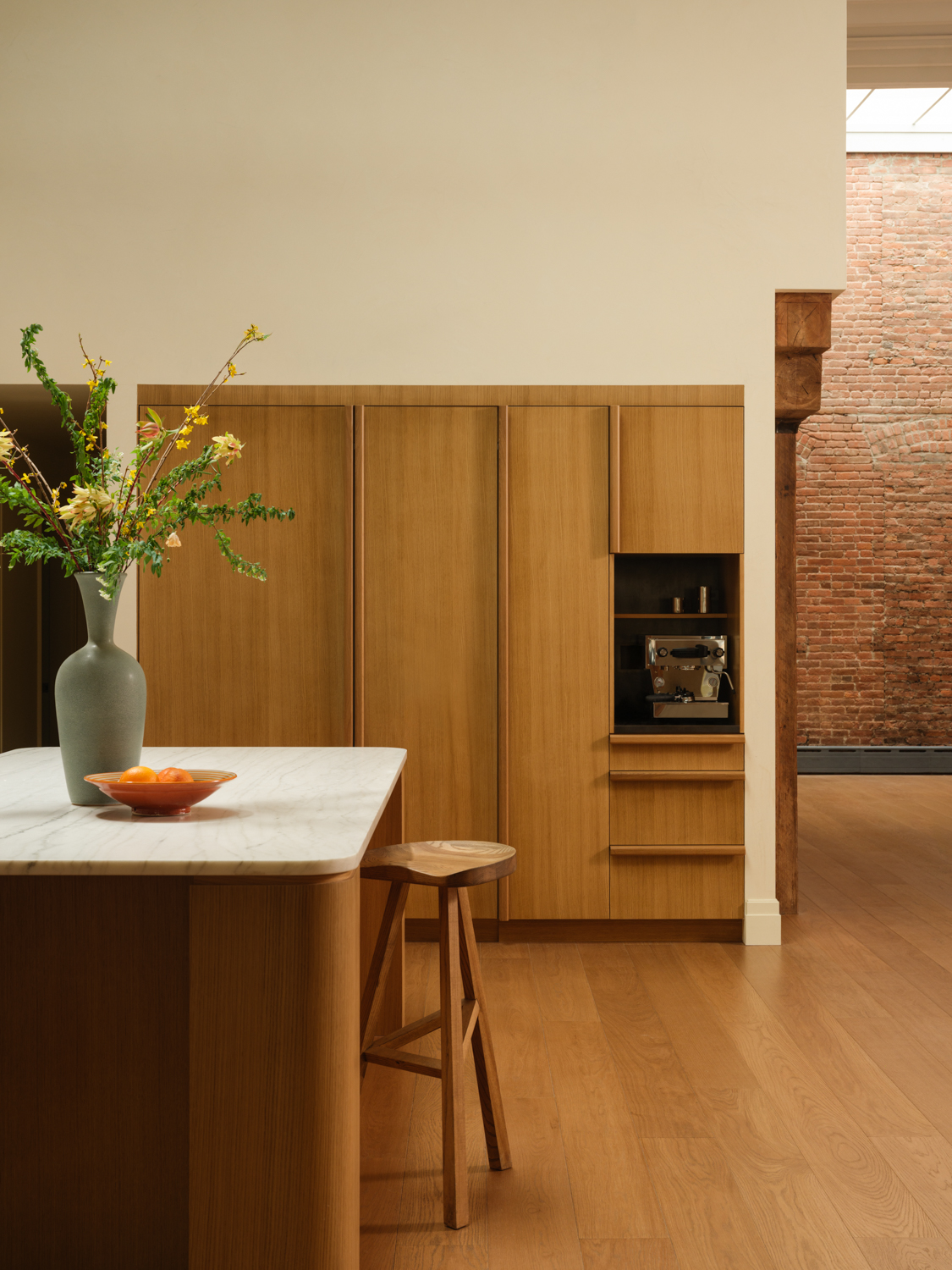
The kitchen is positioned beneath a new skylight, flooding the space with daylight. To avoid competing with the architecture and to facilitate gatherings, all appliances are concealed within custom millwork.
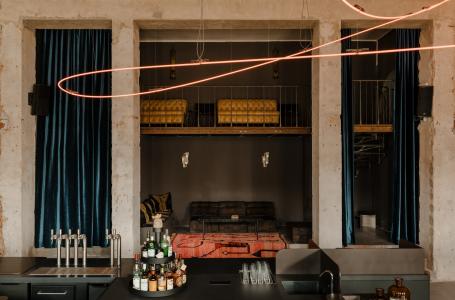
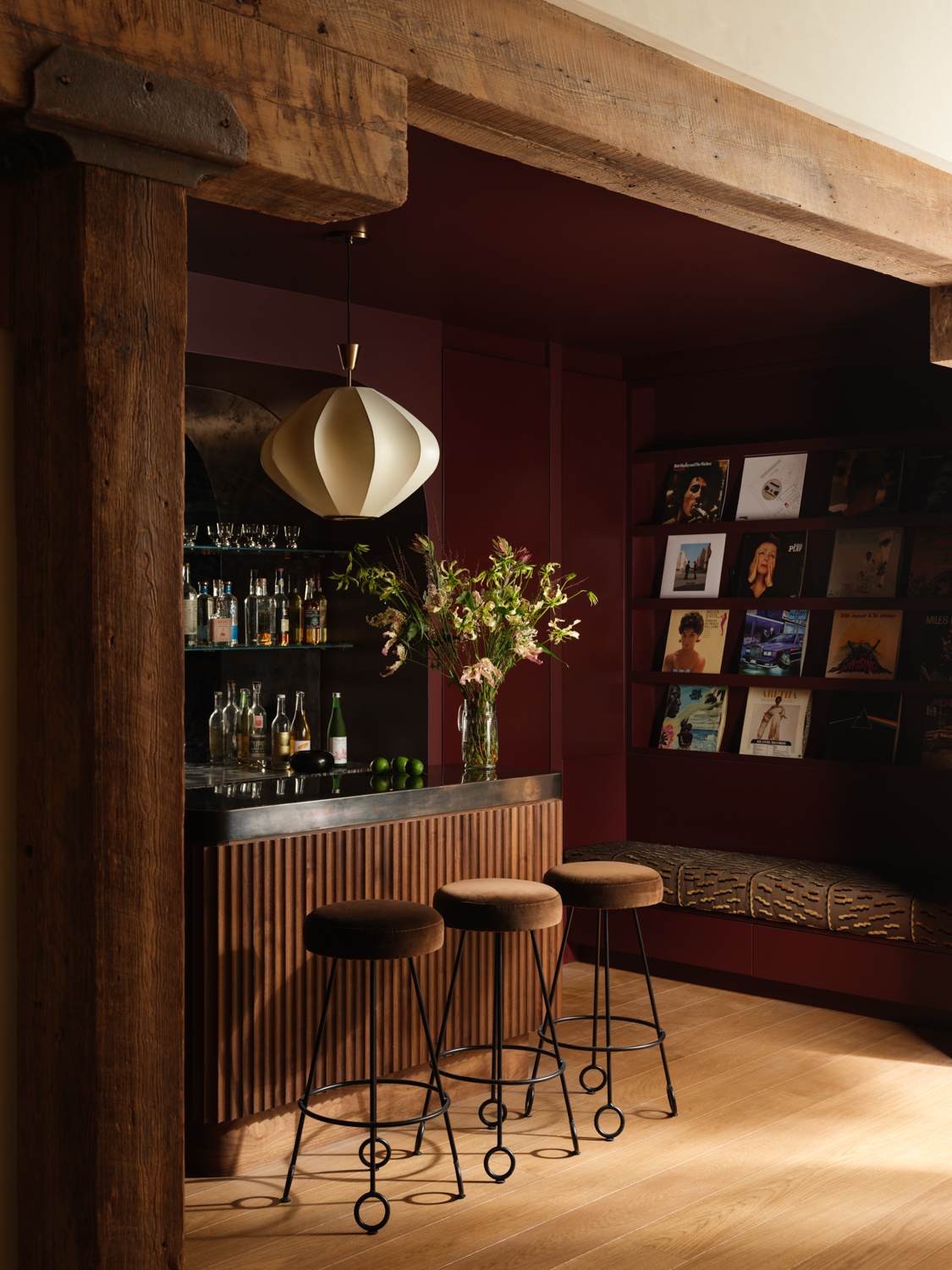
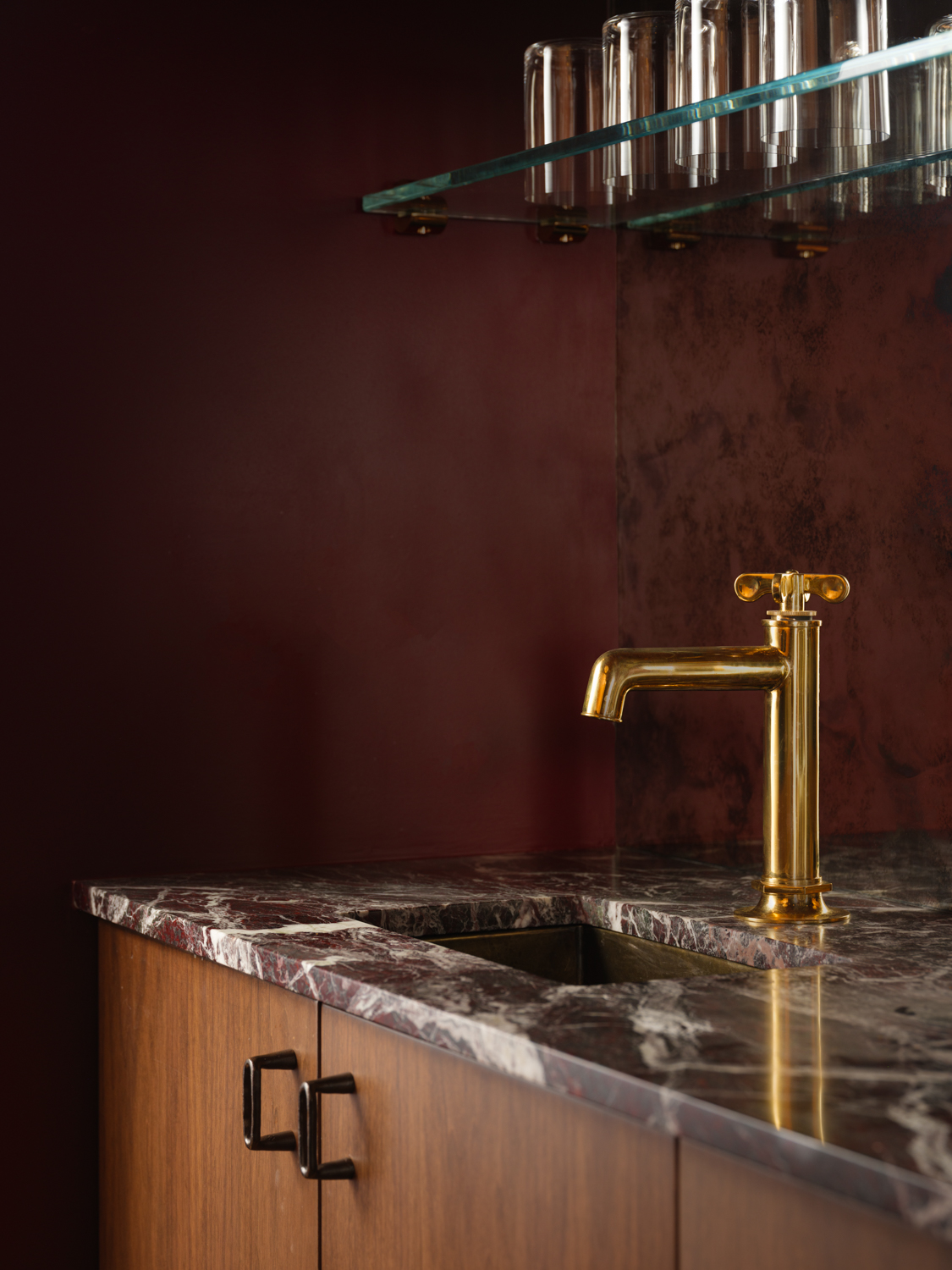
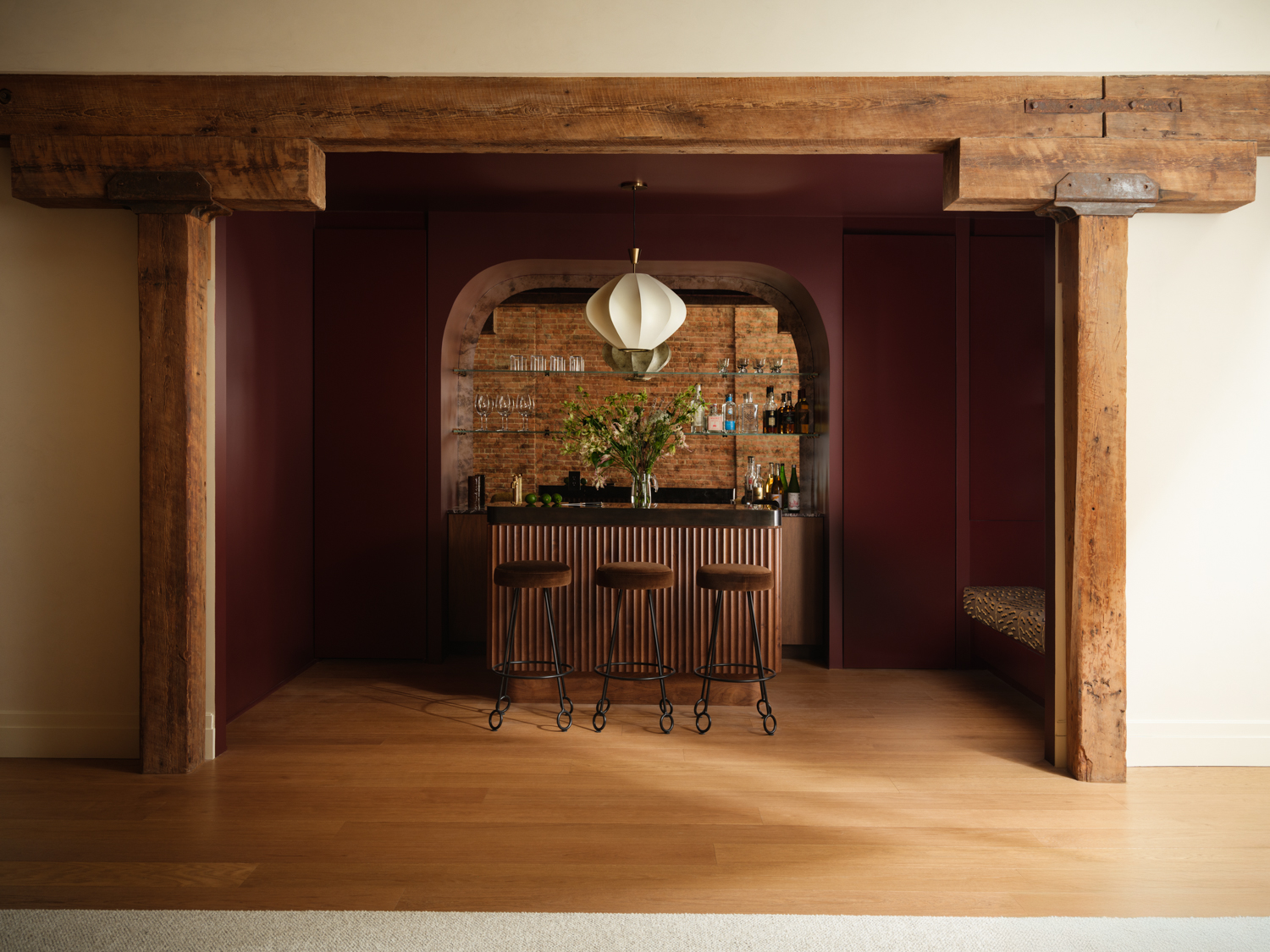
Just beyond the kitchen lies a bar that remains almost invisible during the day, only to reveal a sense of theatricality in the evening. Moody lighting, rich materials, and a darker color palette give the space a strong and distinctive character.
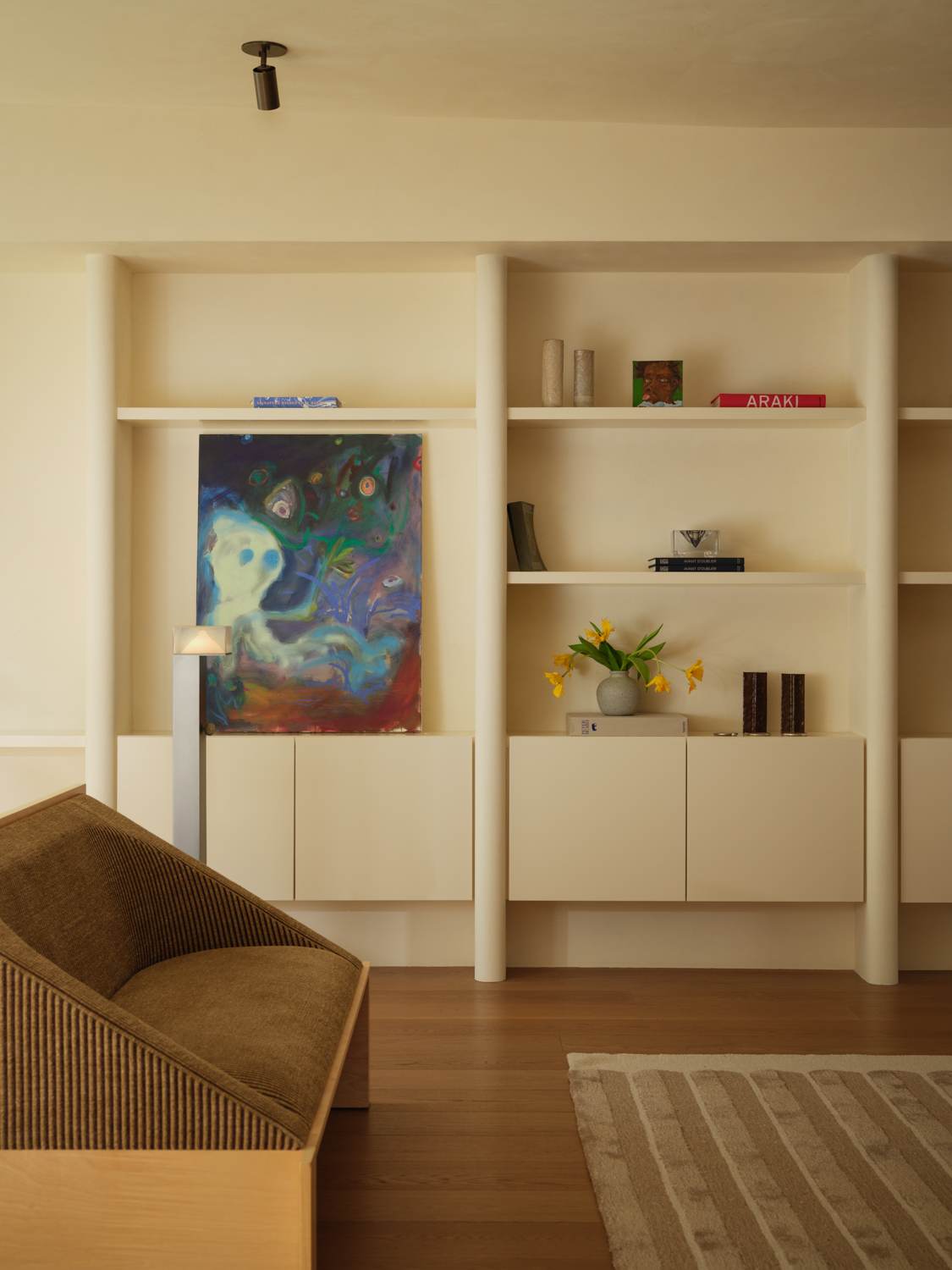
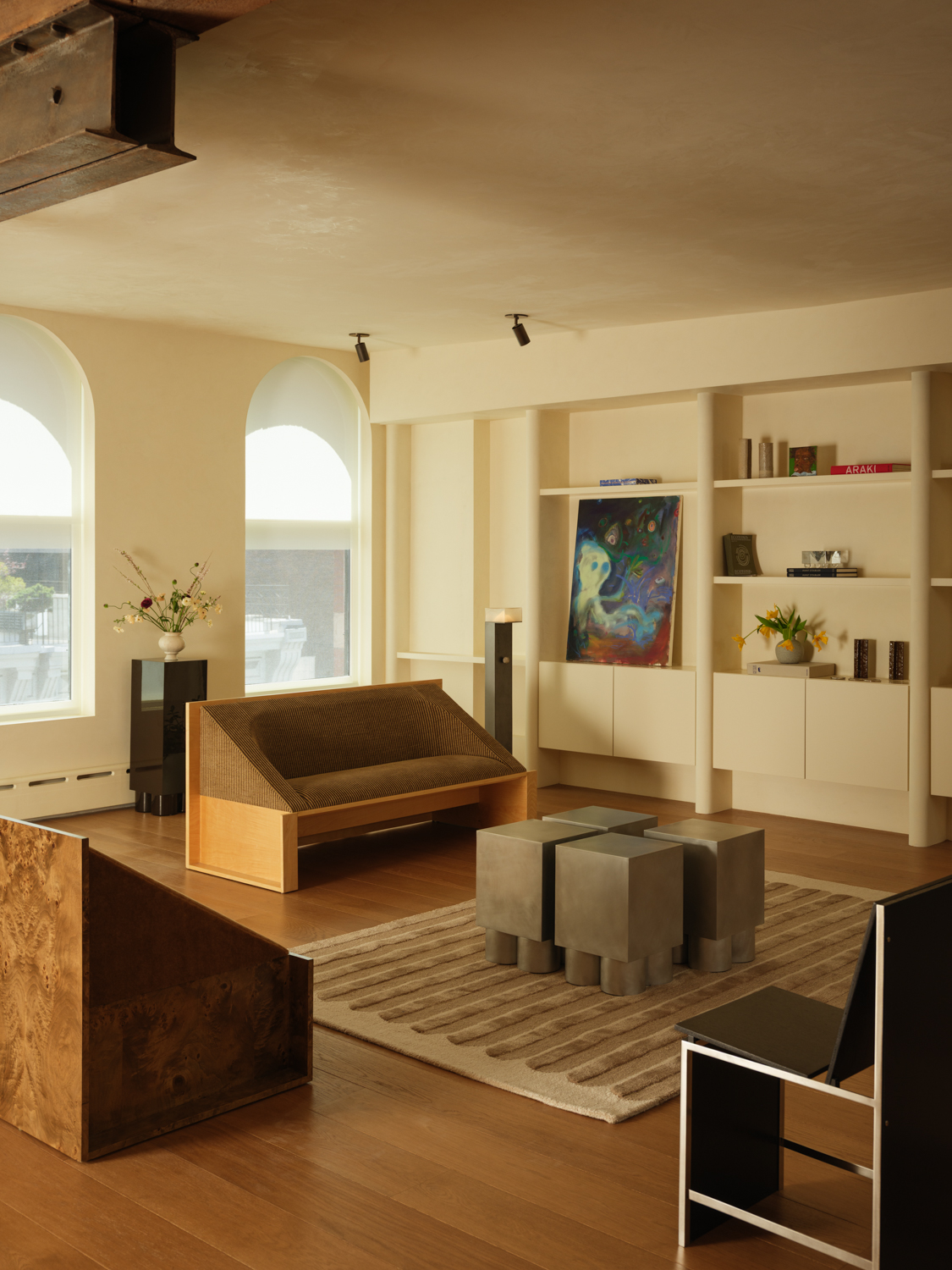
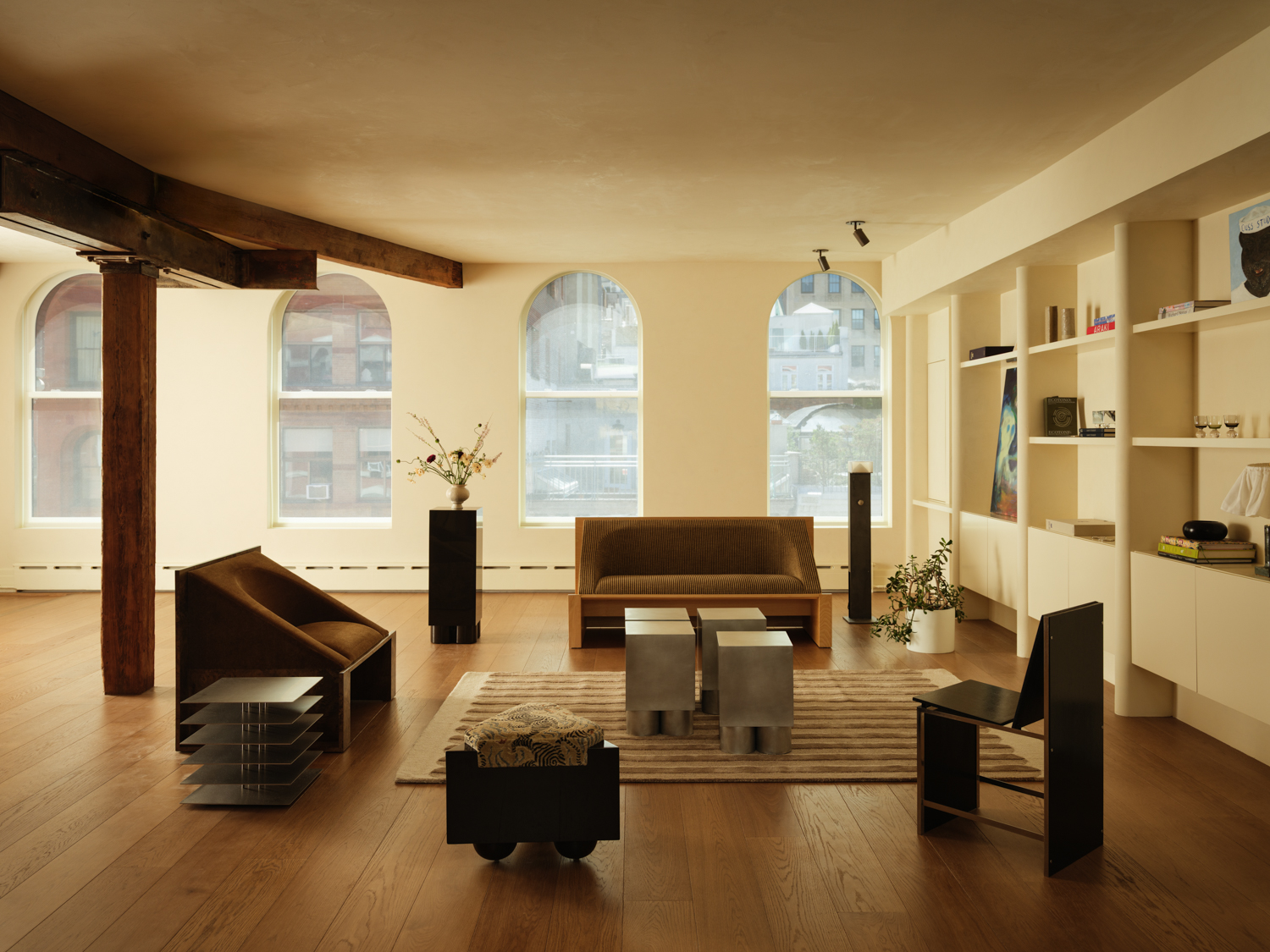
In the living room, the windows and views of the surrounding neighborhood take center stage. The space was designed to feel cozy and intimate, and covering the original brick wall helped brighten the interior while softening its industrial edge.
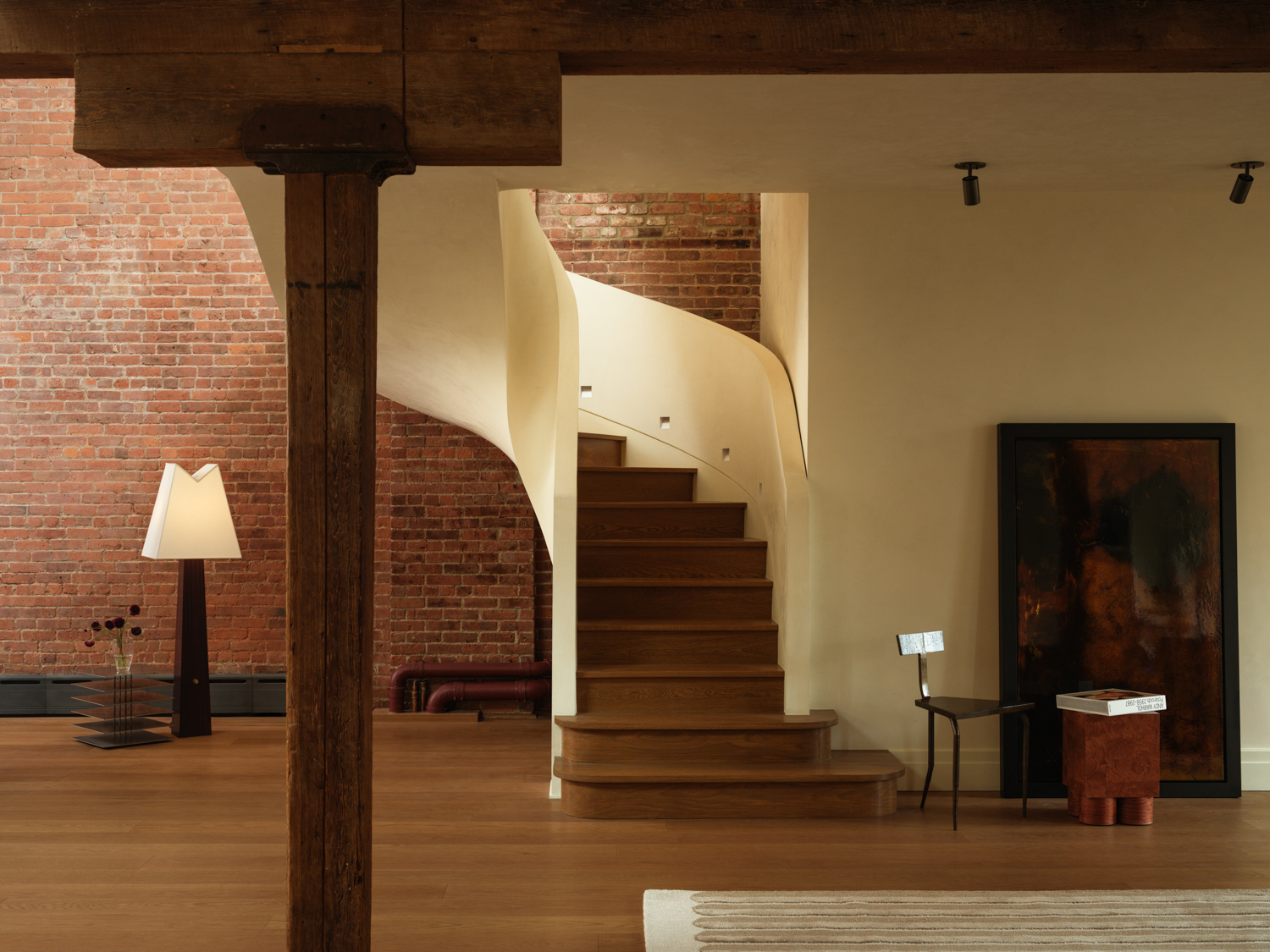
The original narrow metal spiral staircase once caused the upper level to function like a mezzanine. The designers replaced it with sculptural stairs that now form the functional core of the home and a visual focal point, unifying the space and emphasizing its scale.
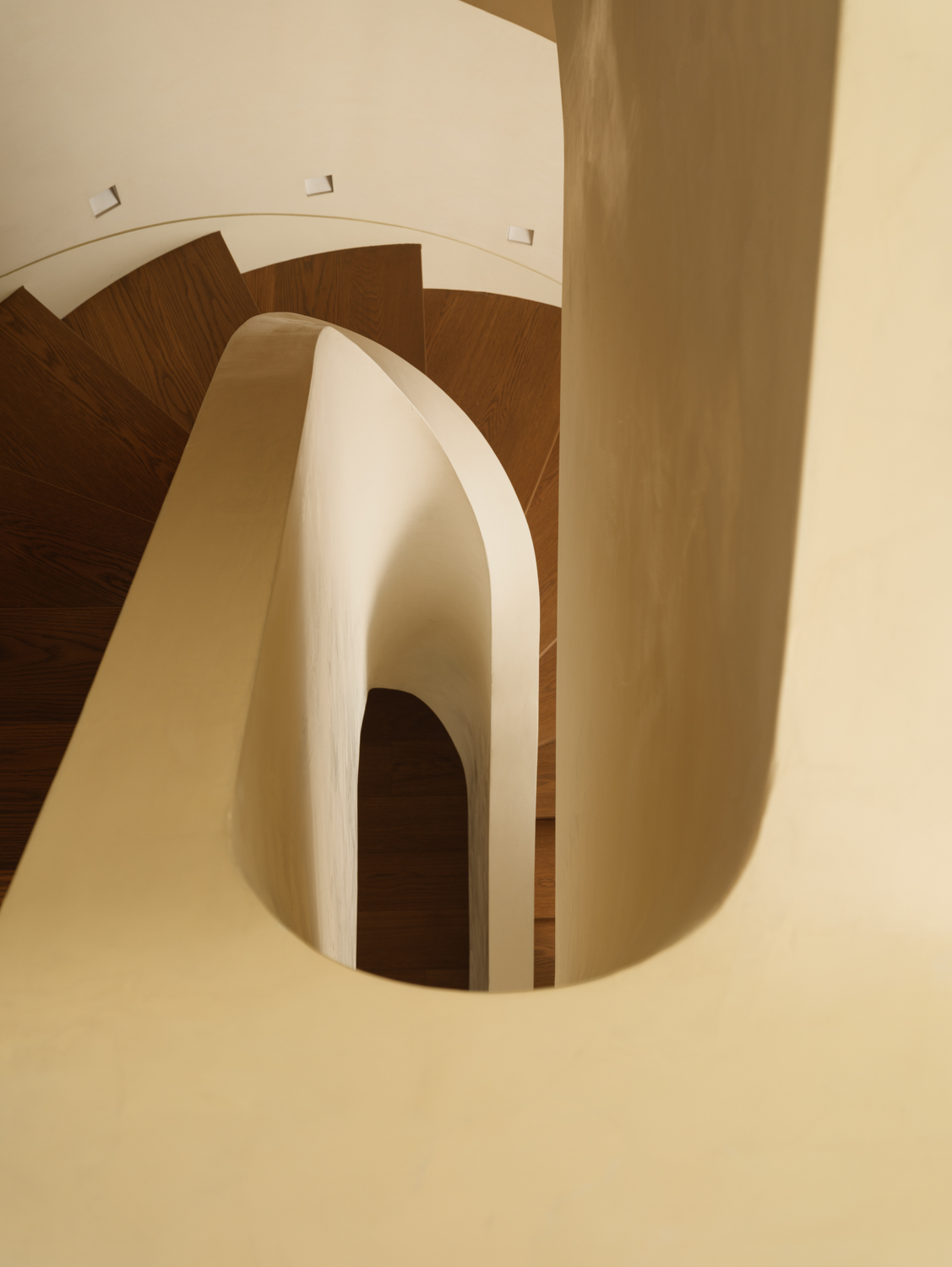
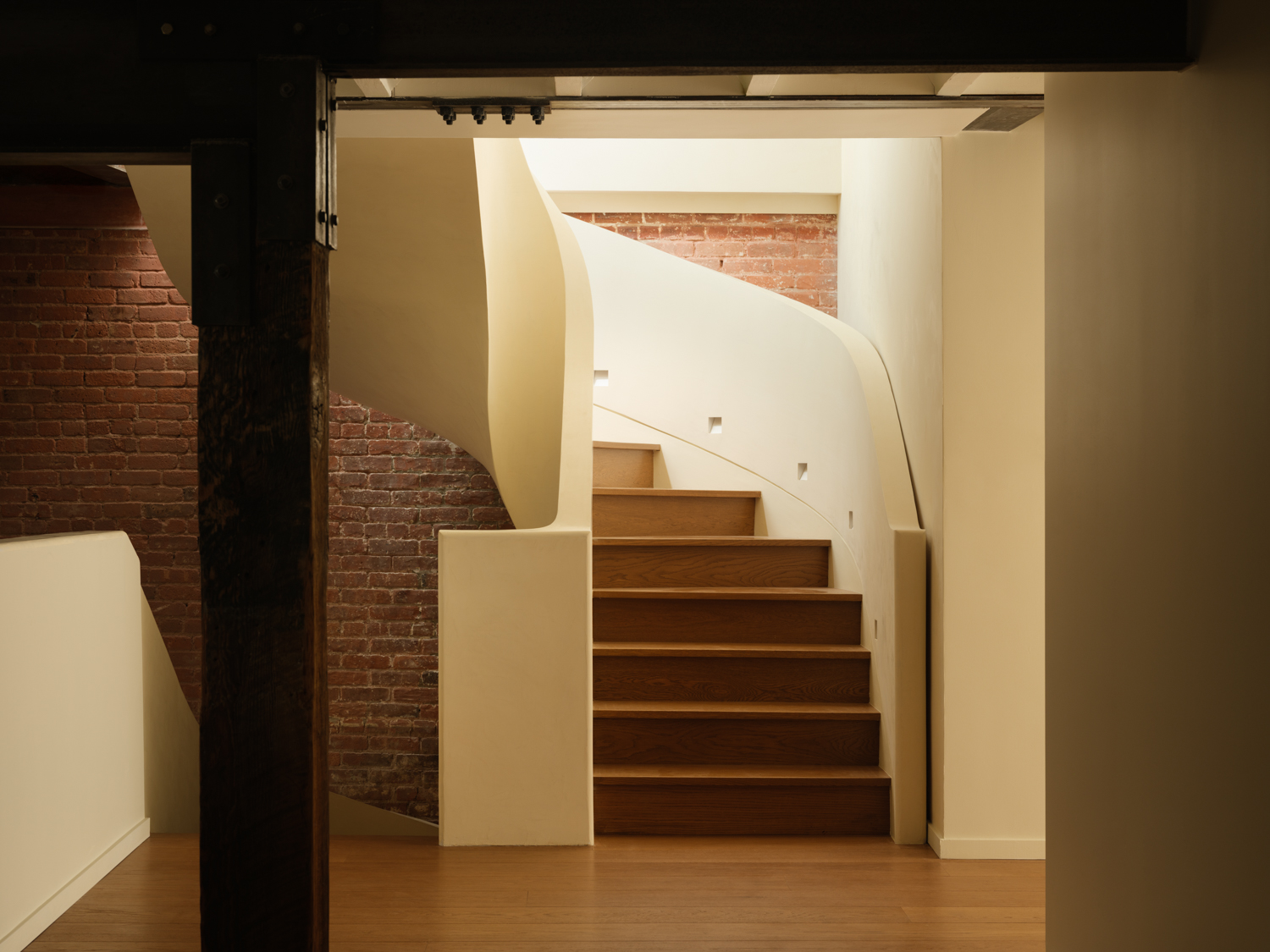
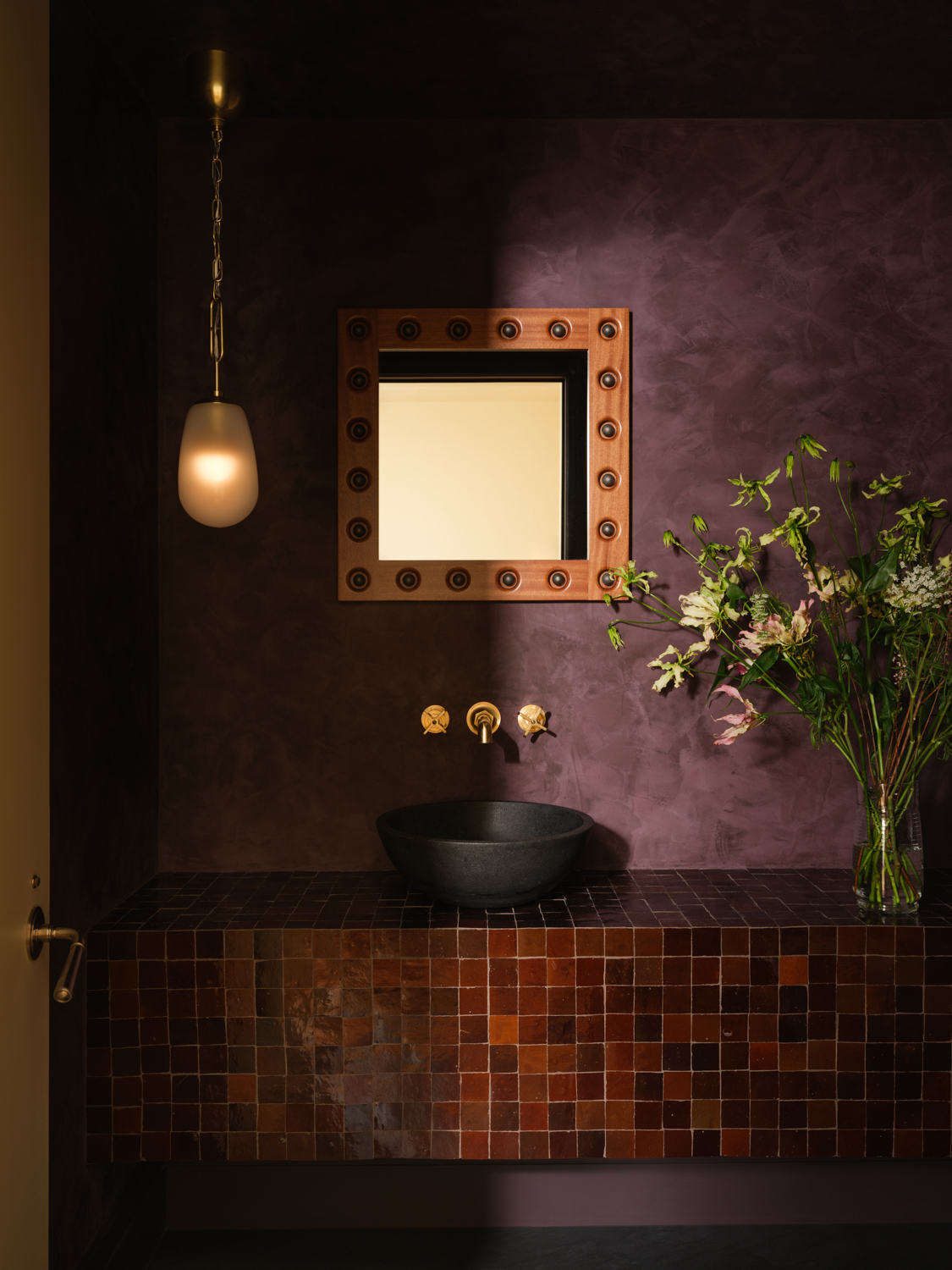
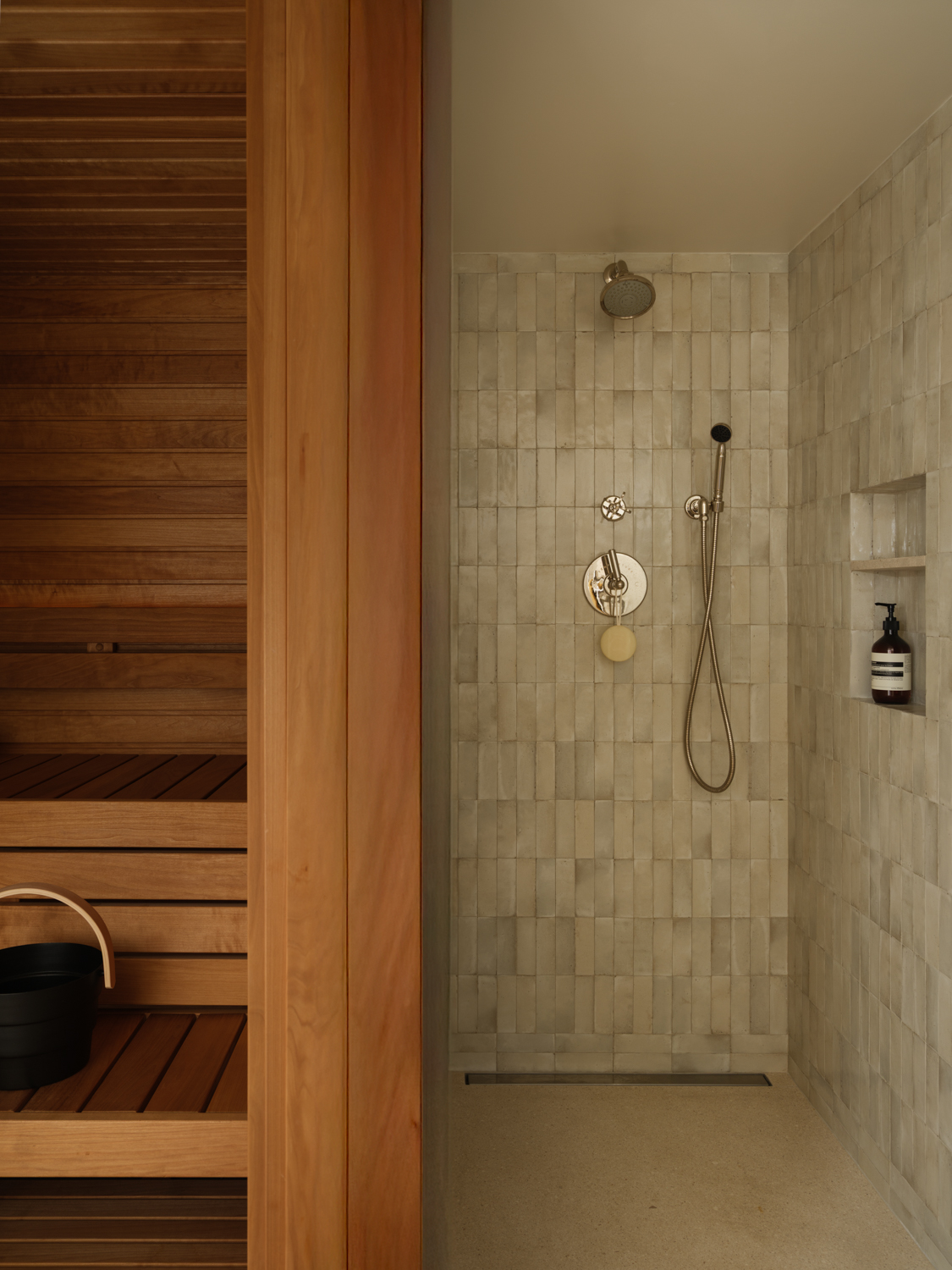
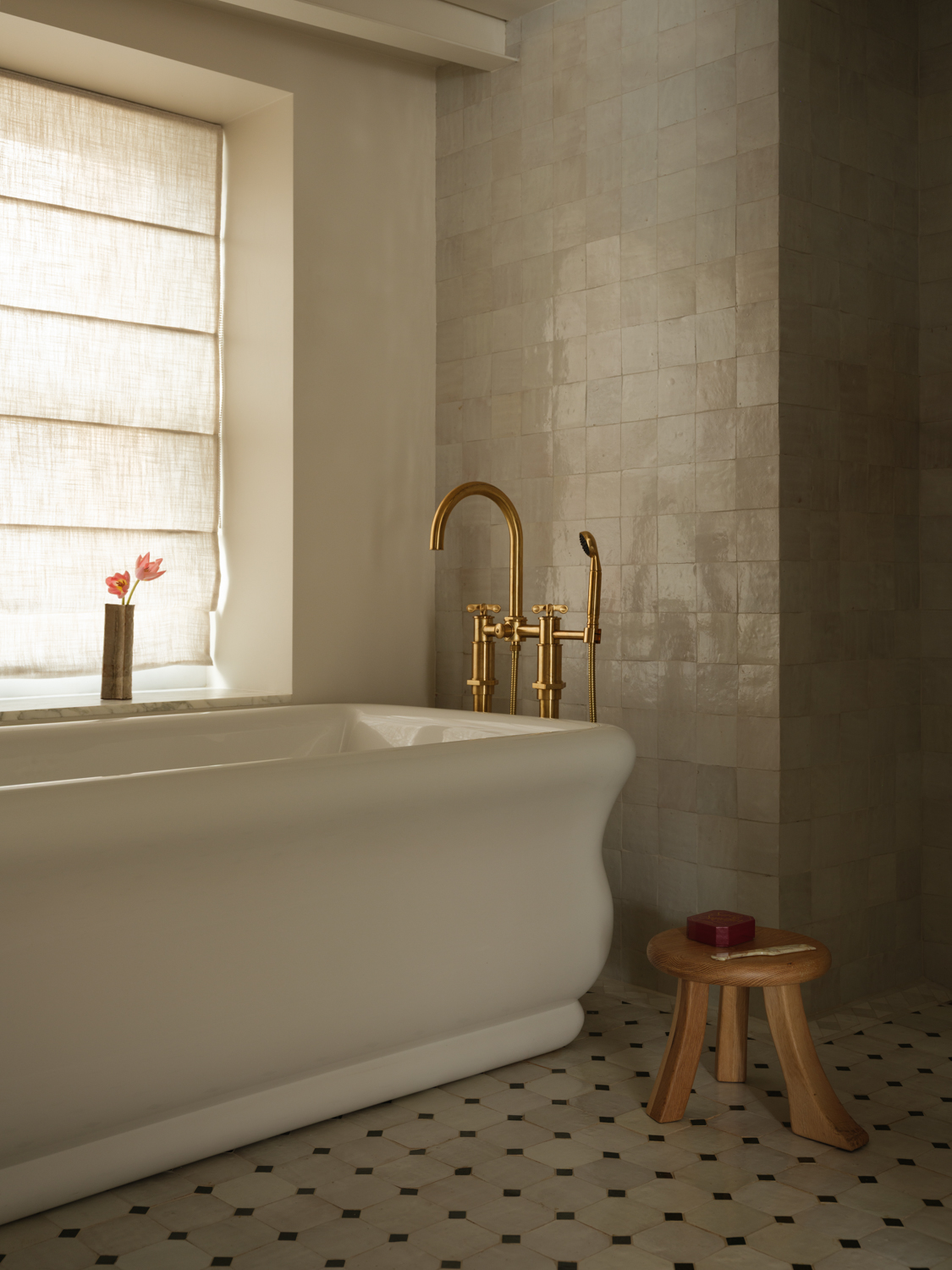
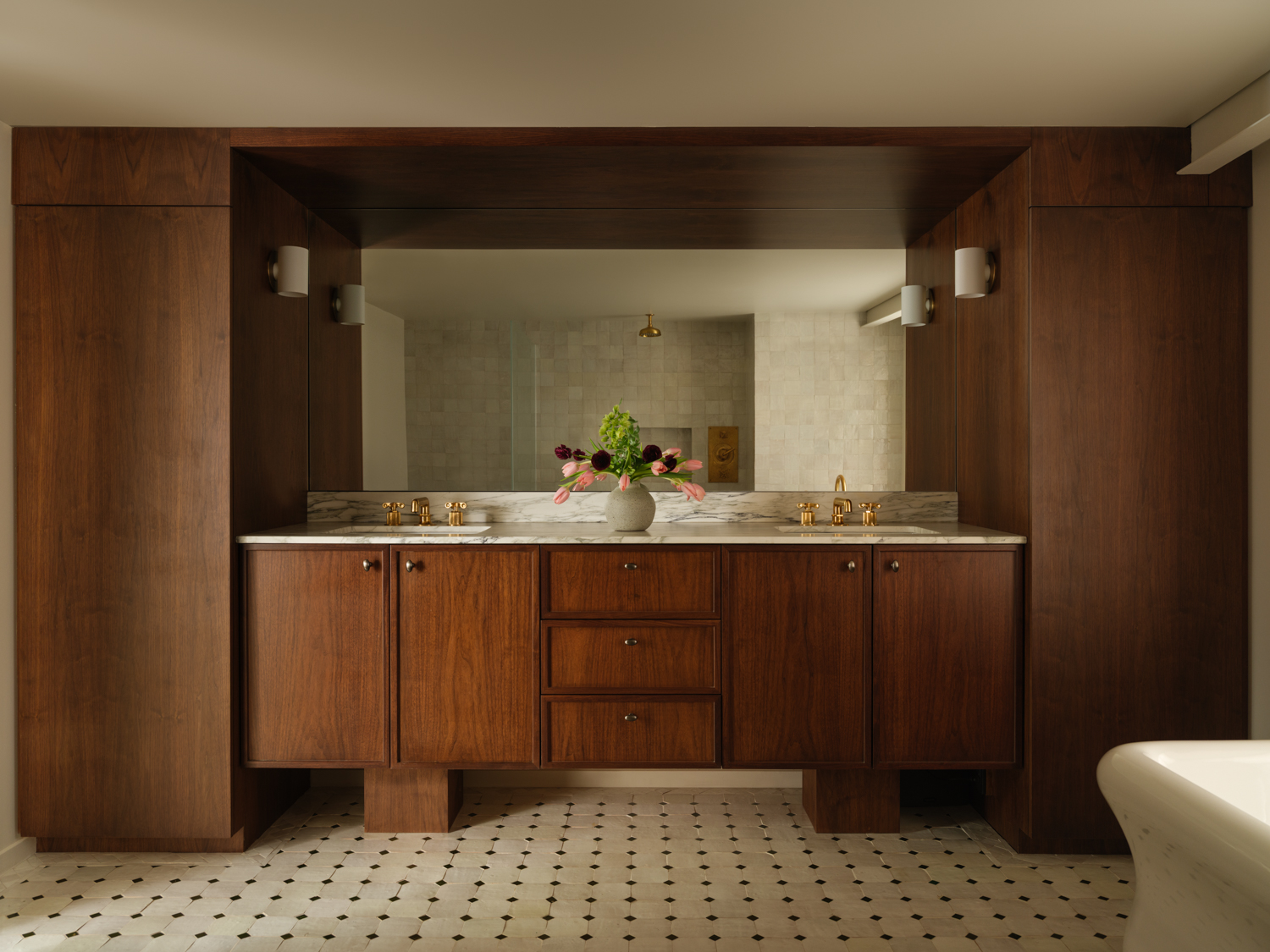
The private upper level is quiet and intimate. Each bathroom was conceived as a distinct experience, with its own selection of materials, lighting, and furnishings. The larger guest bathroom includes a sauna with hot stones, referencing a wellness-oriented approach both in materiality and spatial organization.
More:

Suggested for you
-
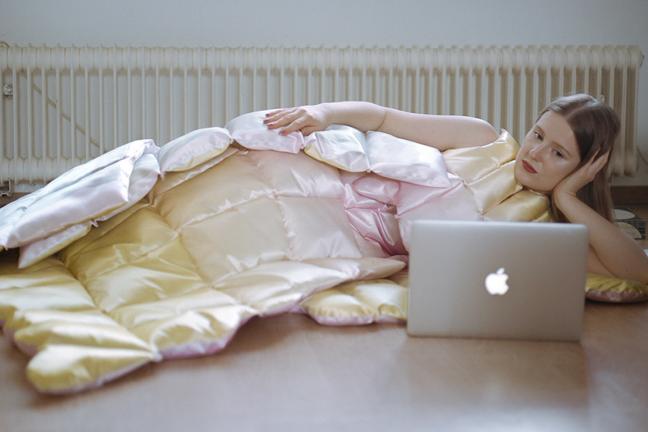
Stylish outfit for Zoom
One of the most popular applications of the year has become Zoom - after all, what would a quarantine job be without videoconferencing? Working from home has changed not only our lifestyle, but also the outfits we wear. The Design Academy Eindhoven...
-
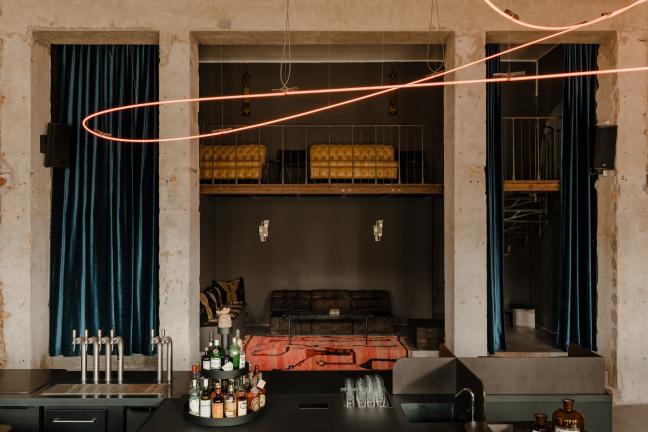
Kink in Berlin
The Berlin "Kink" is a combination of modern art and top-flight liquors. Restaurant owners Oliver Mansaray and Daniel Scheppan are responsible for the design of the eclectic interior.
-

Photo of a Pole honored in the World Press Photo competition
The World Press Photo Competition is one of the most prestigious competitions for photographers. This is not only about the artistic side, but also the social and political - because through photos the authors often pay attention to important events,...
-
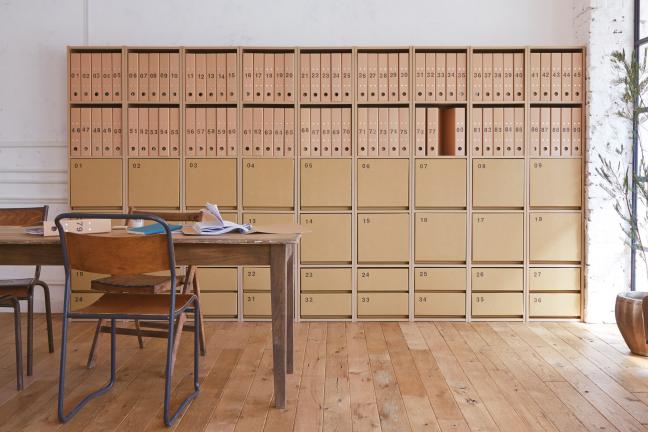
Muji offers free online meditation and calligraphy classes
Muji is a Japanese brand known for its passion for minimalism and order. In the harmonious world of Japanese aesthetics, everything is in balance and the simpler the solution, the better!