Build yourself an Eames house. Kettal and Eames Office revive the idea of the universal home
The Eames Pavilion System, developed by Eames Office in collaboration with Kettal, is a project rooted in an in-depth study of Charles and Ray Eames’ legacy. This is not merely a sentimental throwback, but a rigorously planned, modular variation on the concept of the universal home.
Author: IM
Photos: Yosigo, Rocafort, courtesy of Kettal
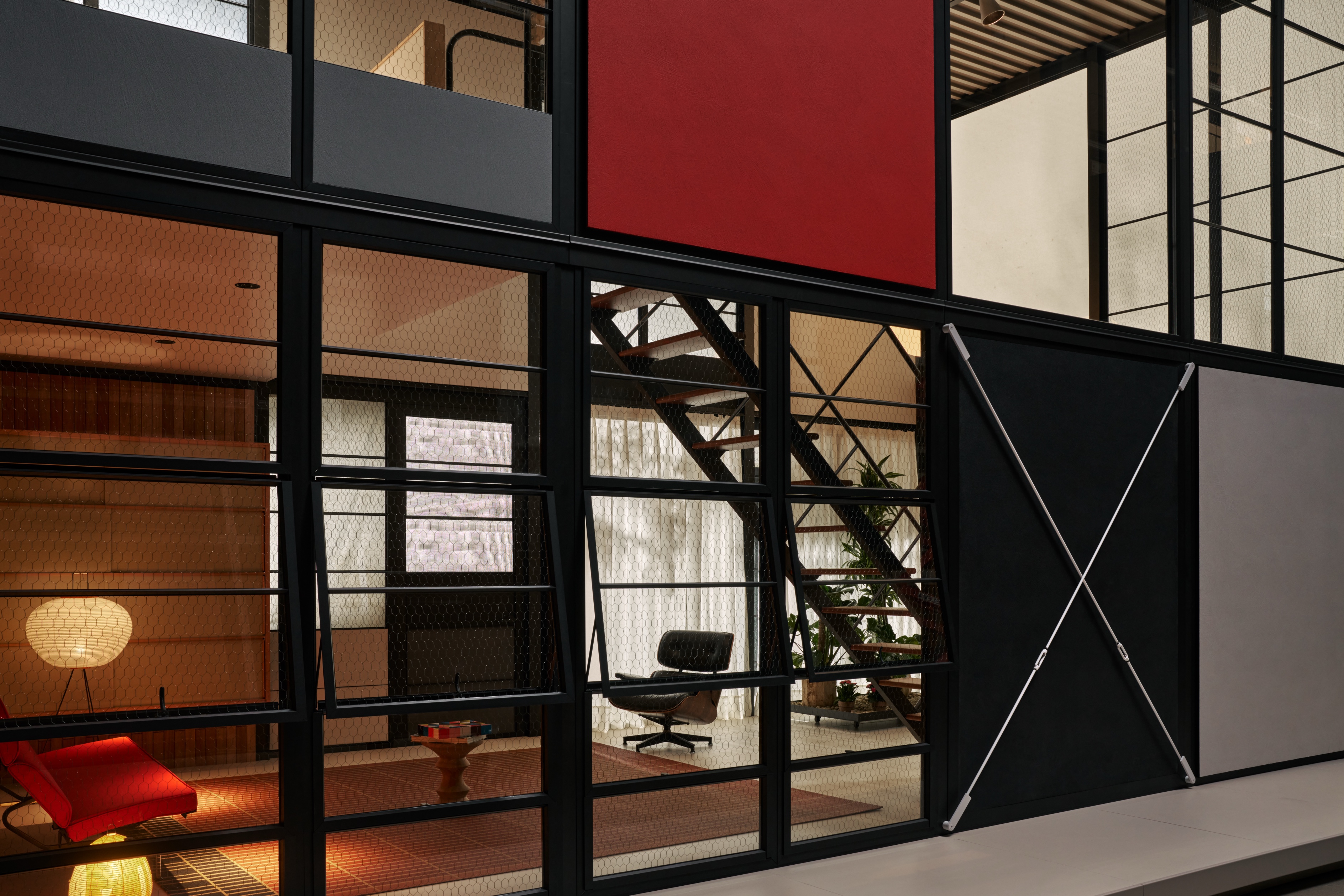
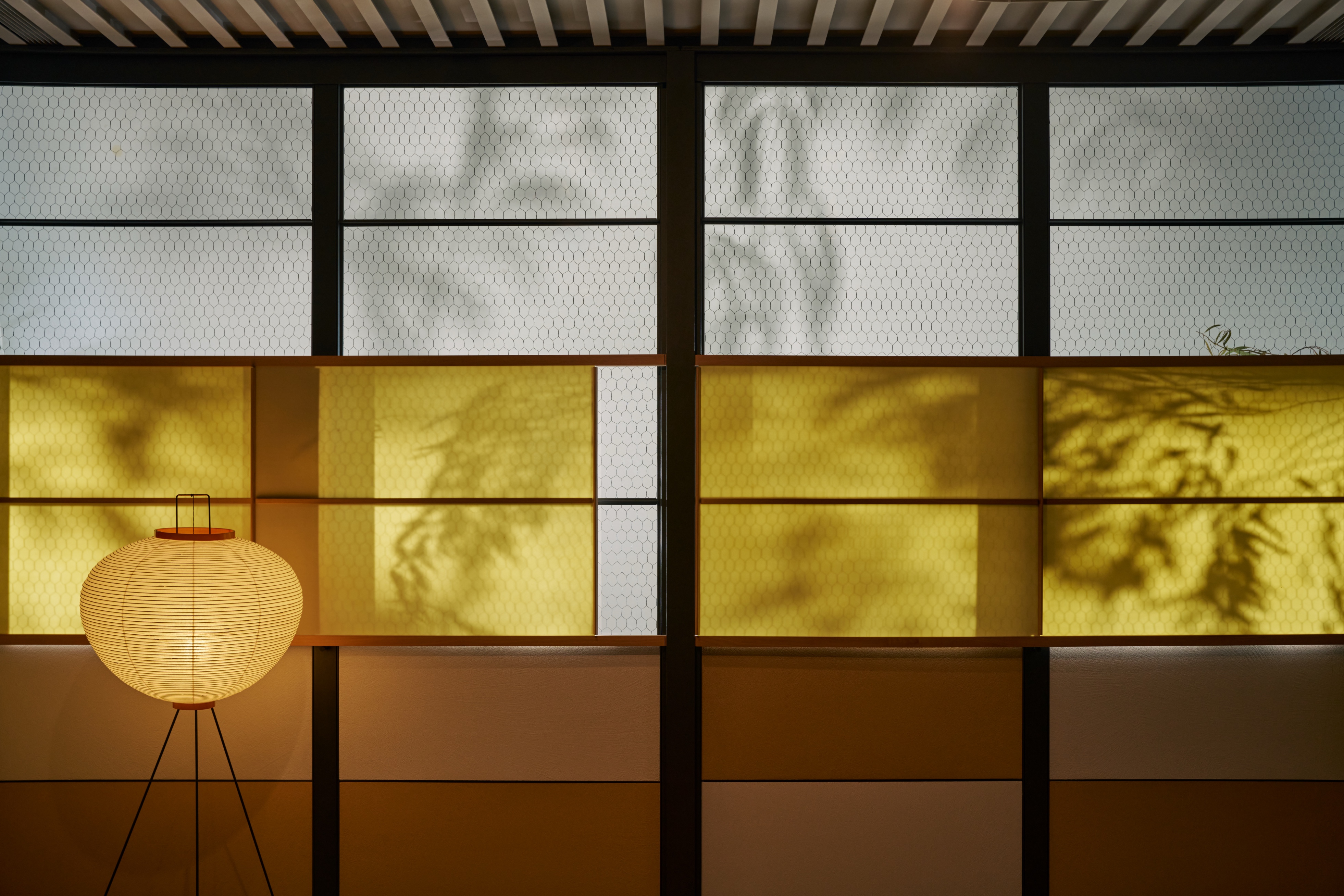
Zdj. gł.: View of the Eames Pavilion with a variety of windows, solid panels, and a steel crossbar, 2026.
During Milan Design Week 2026, Eames Office will present an expansive architectural project at Triennale Milano, centered around 'The Eames Houses' exhibition and the premiere of the Eames Pavilion System—a contemporary prefabricated architecture system developed in partnership with the Spanish brand Kettal. This launch opens a new, remarkably relevant chapter in the history of Charles and Ray Eames, shifting the focus from furniture back to architecture, which from the very beginning was one of the most vital pillars of their vision for modern living.
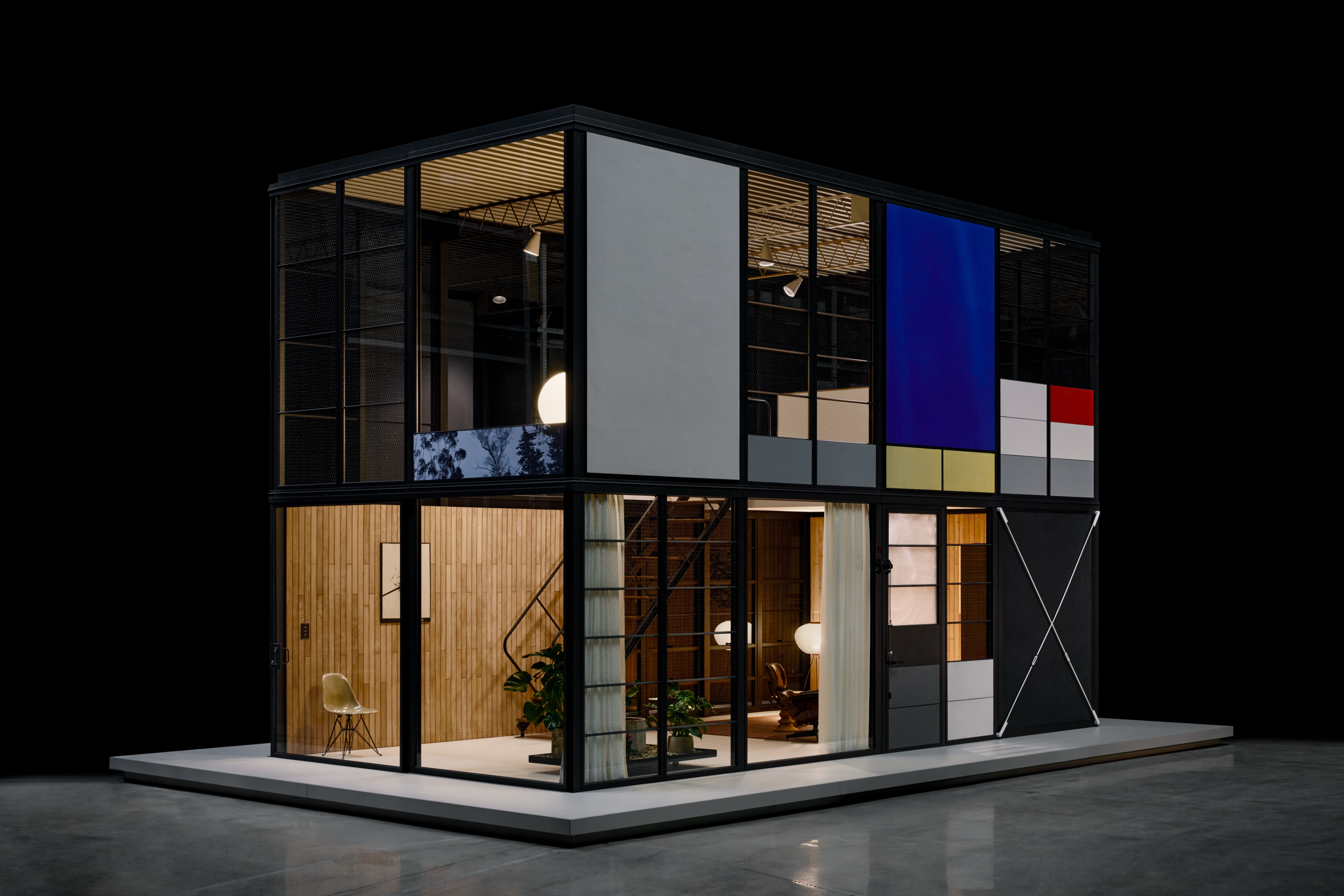
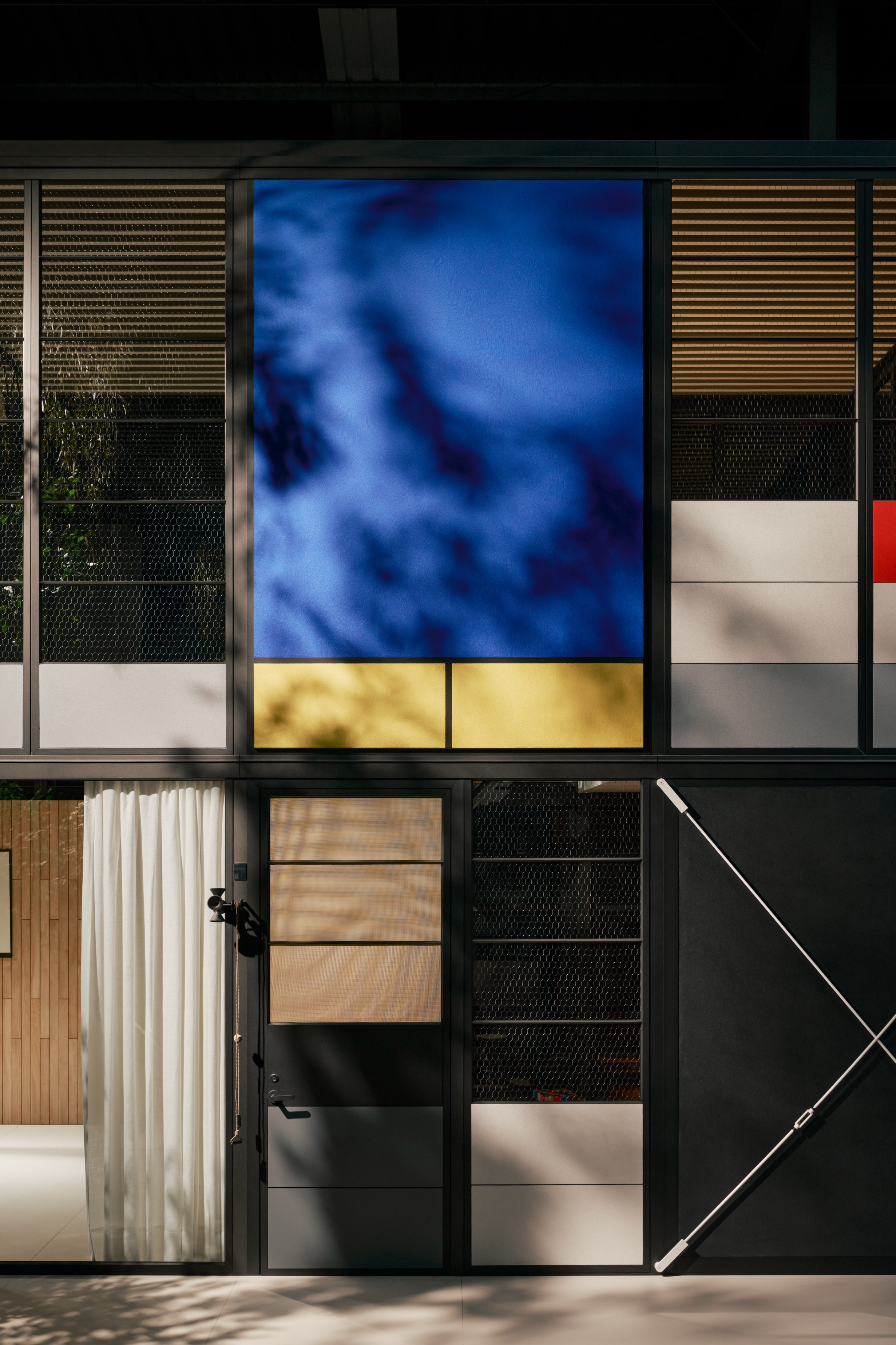
The new system stems from years of research into the Eameses' residential designs of the 1940s and 50s, including Case Study House No. 8—the famous Eames House—as well as other steel and timber residence projects, both realized and conceptual. It is from this archival landscape that an architecture emerges, understood not as a fixed form, but as a flexible backdrop for daily life: modular, lightweight, and ready for the evolving needs of its inhabitants.
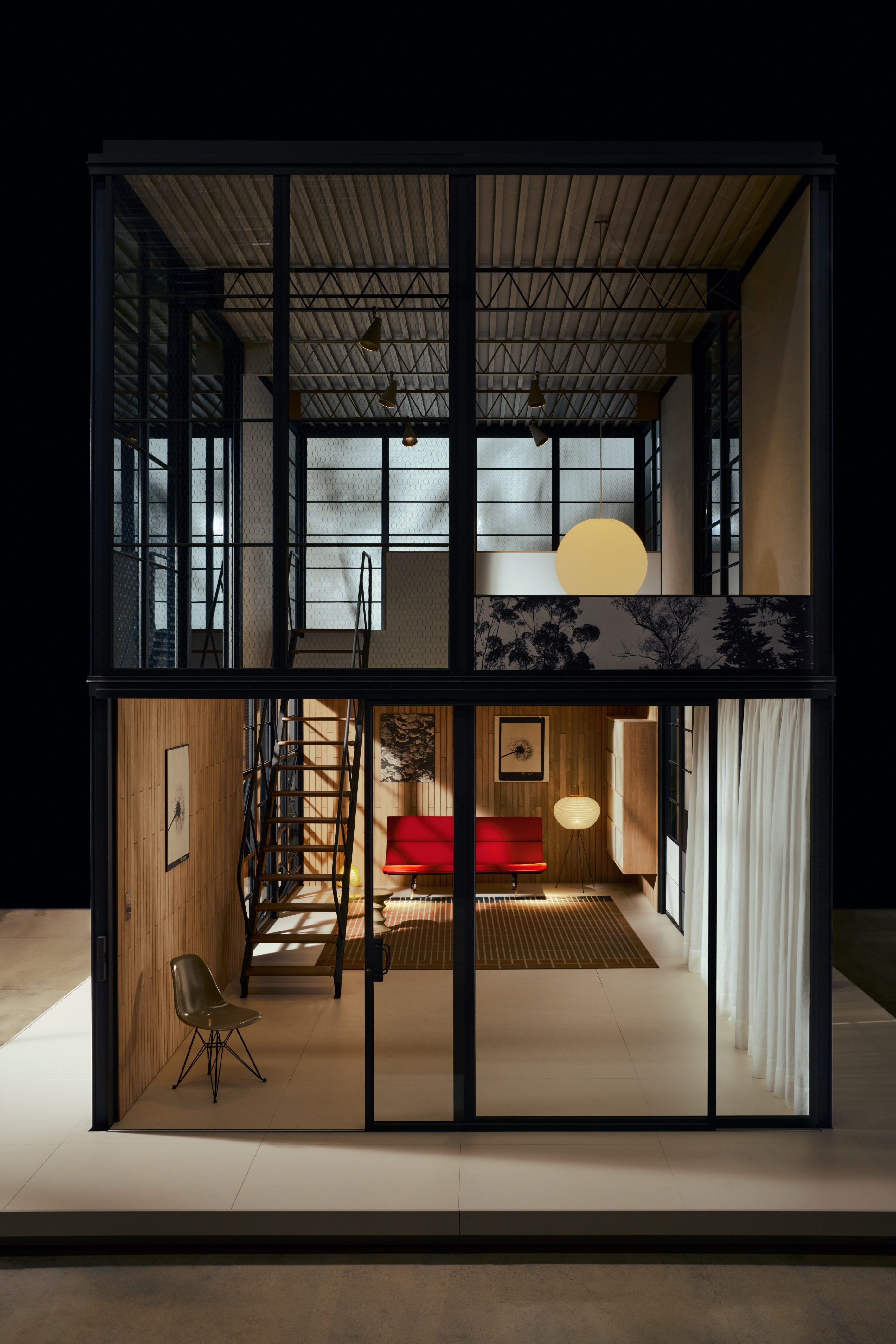
The Eames Pavilion System translates these ideas into a fully developed, globally accessible construction system, based on repeatable structural modules and interchangeable elements for roofs, facades, glazing, textiles, and accessories. The system allows for the creation of everything from single-story, 16-square-meter pavilions to fully equipped, two-level homes. While the scale remains intimate, the arrangement possibilities are vast, ensuring the whole maintains that quintessential Eamesian balance between structural rationality and the freedom of living within.
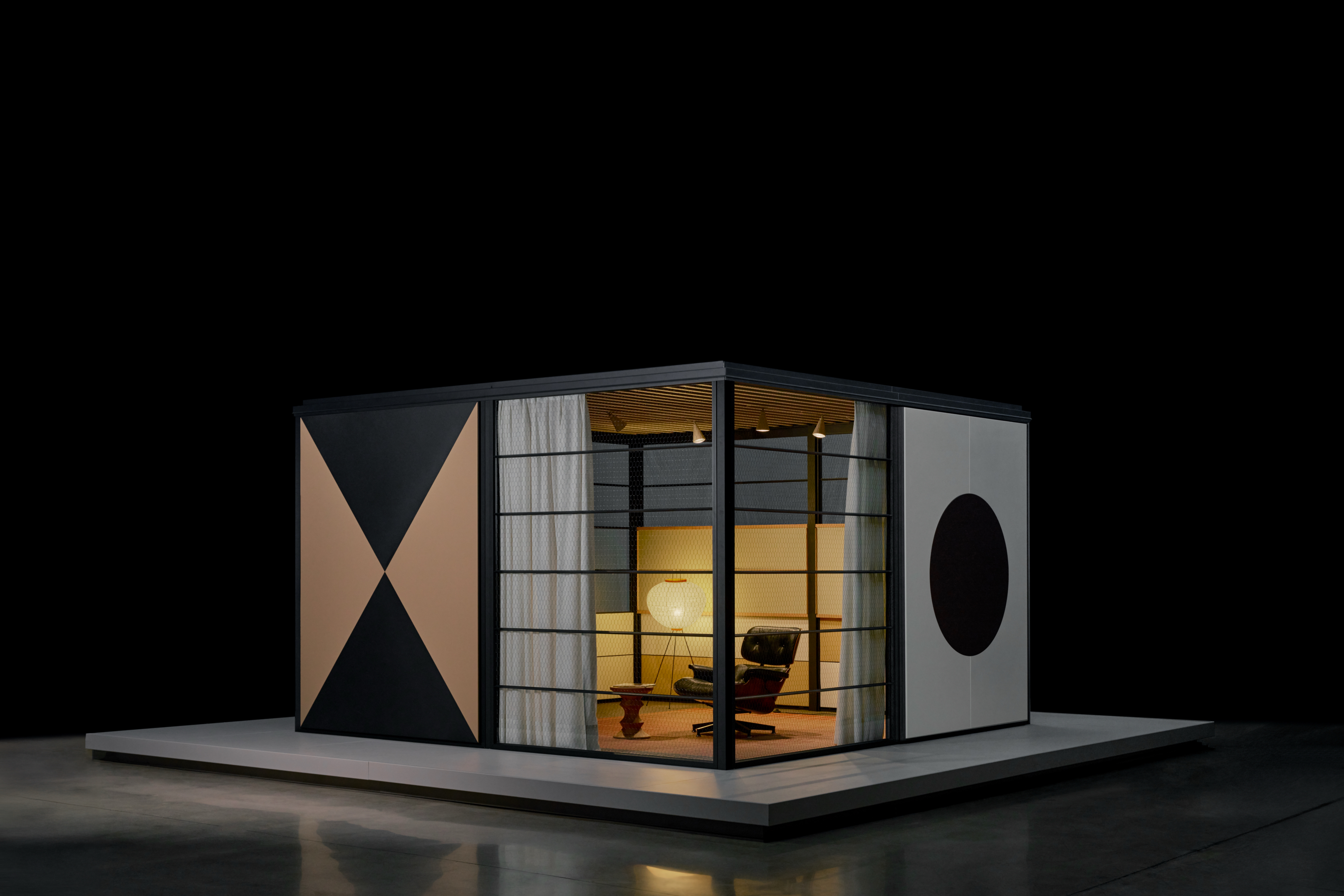
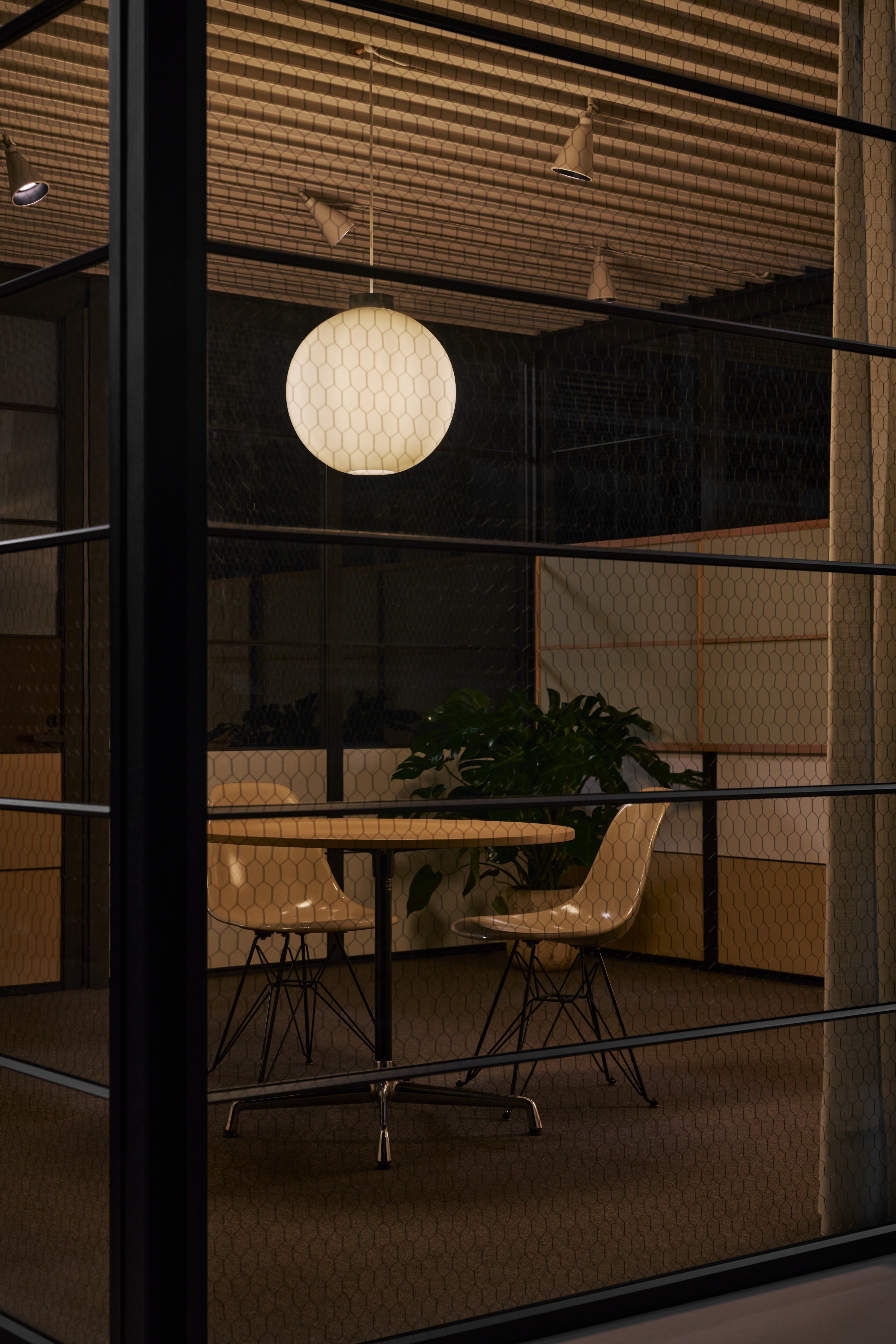
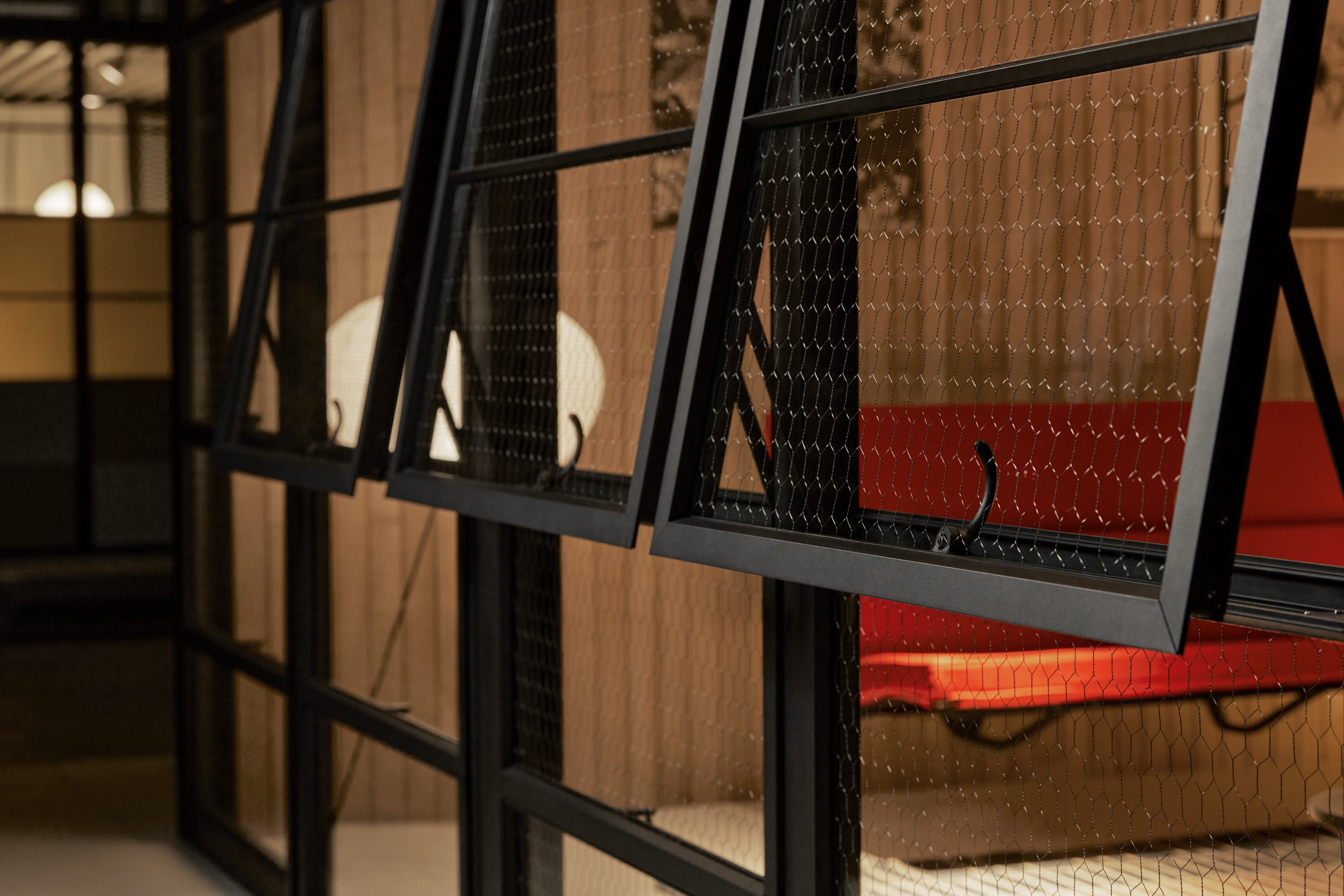
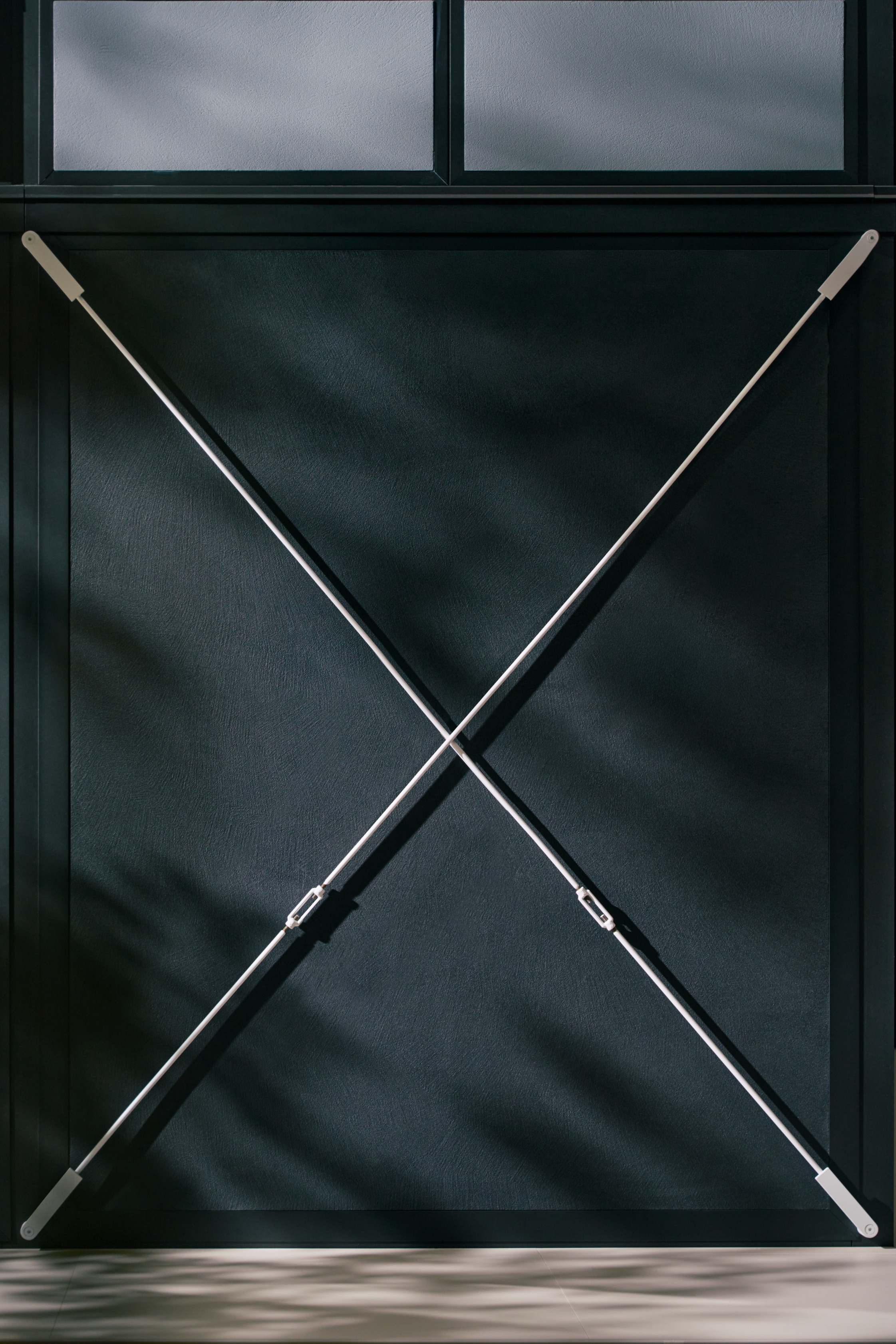
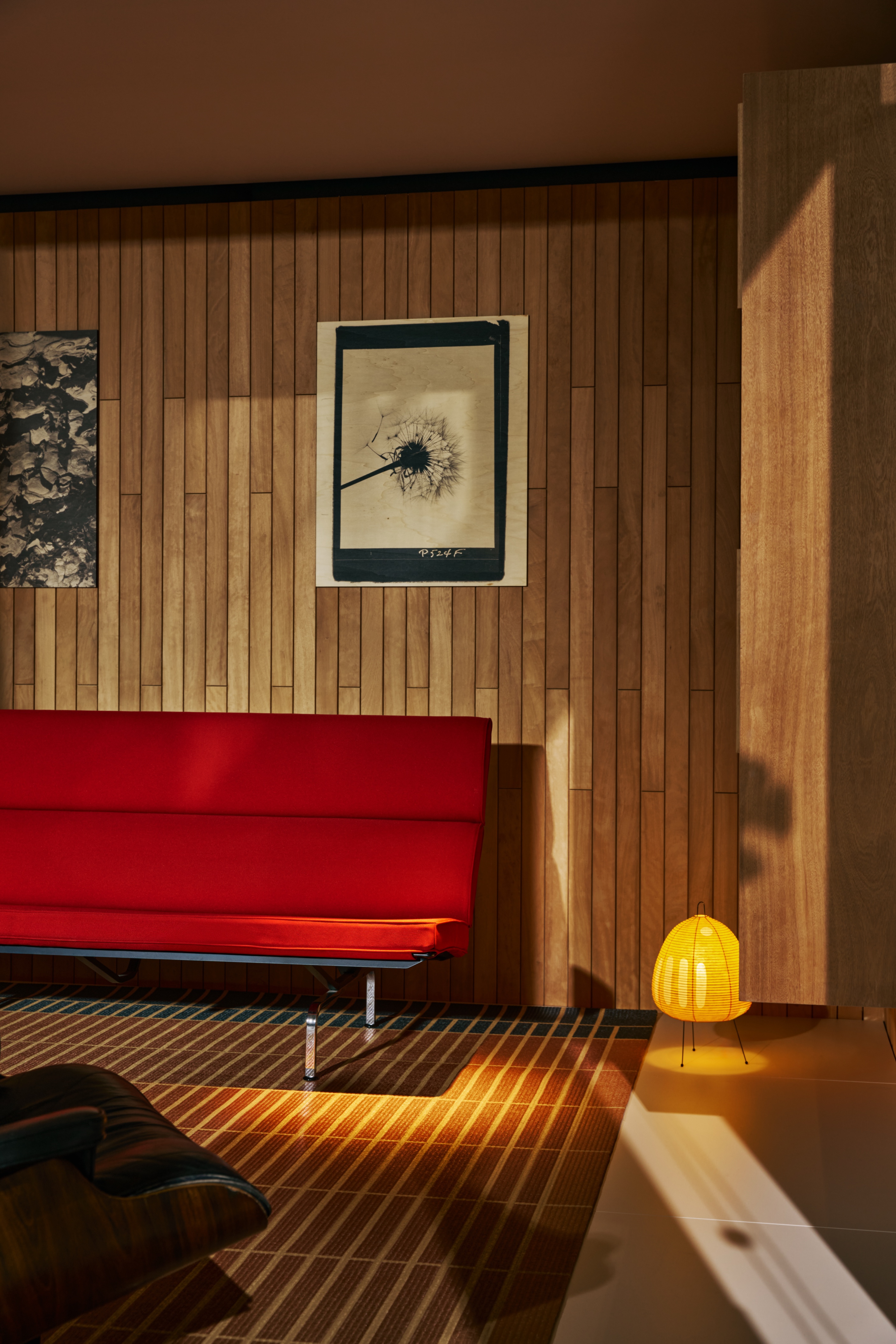
Behind the technical development of the project stands Kettal—a Barcelona-based company that for decades has been honing its expertise in modular architecture, aluminum structures, and systems designed for diverse climatic conditions. The new system features precision aluminum profiles, engineered decking solutions, bioclimatic roofs, integrated lighting, HVAC, and digital configuration tools. The result is far from a mere replica of modernist icons; it is a mature evolution where archival logic meets today’s technology and contemporary functional standards.
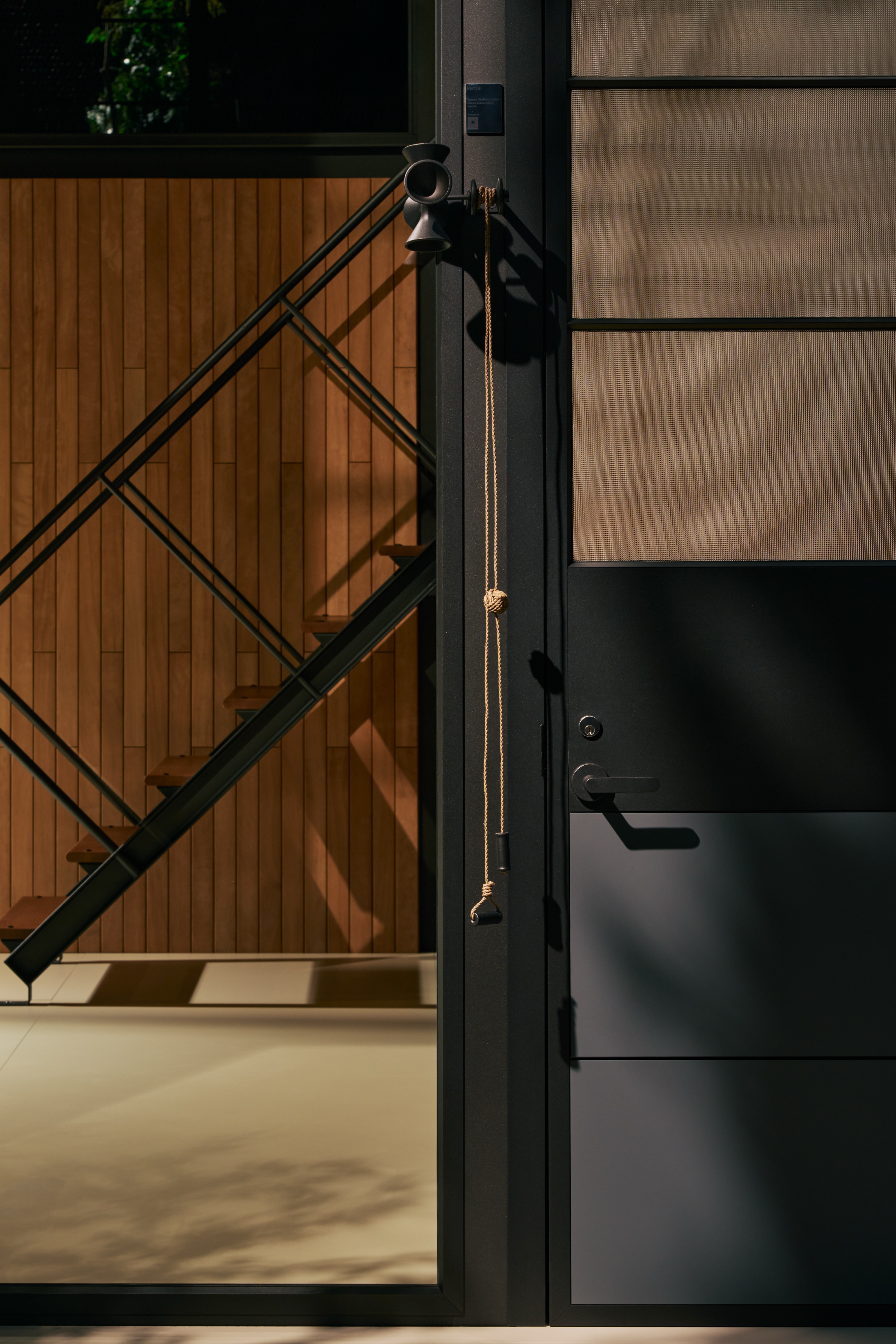
The system was conceived with longevity in mind. The aluminum, glass, polycarbonate, and timber structures are designed to be repairable, reconfigurable, and prepared for decades of use, with the core concept rooted in reuse and adaptation rather than replacement. This dimension of the project resonates deeply with today’s definition of luxury, where meaning is found not only in aesthetics and detail but also in durability, material responsibility, and architecture capable of aging with grace.
Running parallel to the system’s premiere in Milan, ‘The Eames Houses’ exhibition will open, spanning 800 square meters of the Triennale Milano and remaining accessible to the public from April 21 to May 10, 2026. The display will feature full-scale, walk-through pavilion installations alongside archival drawings, photographs, films, and newly commissioned models of eight Eames houses—some of which have never before been published or exhibited. This is a look at Charles and Ray’s oeuvre not through the prism of isolated objects, but through a consistently built world where architecture, design, image, and everyday life exist in a profound, intimate relationship.
The project is also accompanied by the book The Eames Houses, published by Phaidon. Authored by Eckart Maise, with texts by Catherine Ince and forewords by Norman Foster and Eames Demetrios, it is set to be the first such comprehensive compendium dedicated to the residential architecture of Charles and Ray Eames. Scheduled for release in May 2026, the 288-page volume featuring approximately 1,000 illustrations will round off the Milan presentation in a format that will surely captivate both design collectors and architects tracking the history of prefabrication.
What seems most compelling about the Eames Pavilion System is that the past has not been treated as a museum template, but rather as a point of departure for future design. Instead of merely recreating the well-known house from Pacific Palisades, Eames Office and Kettal propose an architectural language that preserves structural clarity, respect for materials, and a human scale, while simultaneously opening up to contemporary living scenarios—ranging from private studios and holiday homes to hospitality, workspace, and exhibition areas. It is precisely within this tension between the legend of modernism and the real needs of the present that the strength of the entire venture lies.
Suggested for you
-

20 days left to enter Dezeen Awards 2020!
With just 20 days to go until entries close, submit your projects now to Dezeen Awards 2020, the most prestigious architecture and design awards programme and the ultimate accolade for architects and designers everywhere!
-
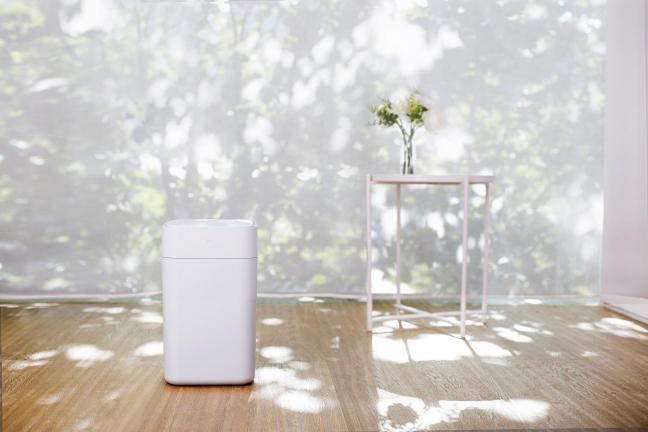
Dustbin that will change the bag by itself
Taking out the garbage is often the reason for disputes of both couples, families or roommates. Just mention one episode of "Friends" in which the unhappy Rachel had to take out the trash. Thanks to this dumpster, there will be no more excuses before...
-

Forgo - a cosmetic brand that says NO to plastic
The Swedish studio Form Us With Love is known for its innovative ideas that arise with care for ecology. The best examples of this are their designs for IKEA: the ODGER chair made of composite wood from waste or the fronts of KUNGSBACKA cabinets made of...
-
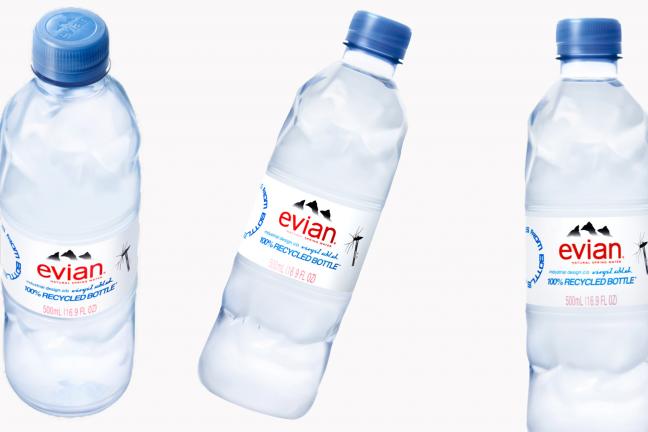
Recycled plastic bottle by Virgil Abloh
Plastic water bottles are a serious environmental problem. More and more concerns are working on replacing plastic with other raw materials or with more sustainable sources of its origin. The French brand Evian has joined this group.